Buy immobilienfinanzierungen.eu ?
We are moving the project
immobilienfinanzierungen.eu .
Are you interested in purchasing the domain
immobilienfinanzierungen.eu ?
domain@kv-gmbh.de · 0541-91531010
Buy immobilienfinanzierungen.eu ?
Are real estate funds a good investment?
Real estate funds can be a good investment option for individuals looking to diversify their portfolio and gain exposure to the real estate market without directly owning property. These funds typically invest in a variety of properties, providing investors with a level of diversification and potentially higher returns than owning a single property. However, like any investment, real estate funds come with risks such as market fluctuations, liquidity concerns, and management fees. It is important for investors to carefully research and consider their financial goals and risk tolerance before investing in real estate funds. **
What are 48 volts and 12 volts?
48 volts and 12 volts are measurements of electrical potential difference, commonly used in various electrical systems. 48 volts is typically used in telecommunications, data centers, and industrial applications, while 12 volts is commonly found in automotive systems, small electronics, and lighting. These voltage levels determine the amount of power that can be supplied to devices and equipment, with higher voltages like 48 volts providing more power than lower voltages like 12 volts. **


Similar search terms for Volts
Top-Angebote
Products related to Volts:
-
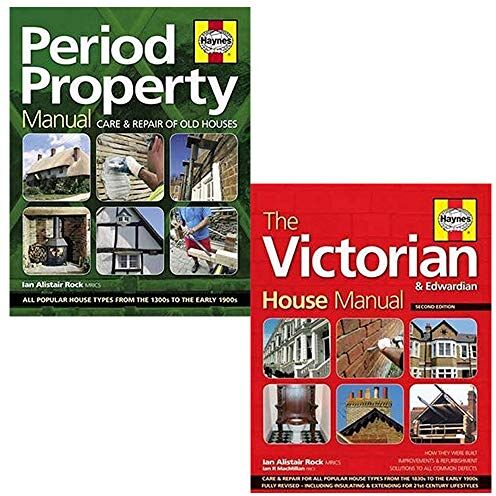
J H Haynes & Co Ltd Haynes Property Manual 2 Books Collection Set (The Victorian House, Period Property)The Victorian House Manual The Victorian House Manual (2nd Edition): How They Were Built, Improvements & Refurbishment, Solutions to All Common Defects Thinking of buying a Victorian or Edwardian house? Or maybe you already own one? Either way, this clearly written manual explains all you need to know about the care and repair of these classic properties. Today, many houses of this age are in need of extensive updating and maintenance, having suffered years of neglect. Some have been damaged by misguided home improvements or botched repairs using the wrong materials. Even newly refurbished properties can sometimes conceal dangerous structural alterations and shoddy build-quality. This unique manual provides detailed, expert advice, backed up with clear how to colour photographs, describing where to check for the critical danger signs and how to fix all common defects. Period Property Britain has a wonderfully rich stock of period houses - everything from medieval cottages to Georgian townhouses and Edwardian mansions. But many of these historic properties are now at risk. Some are unwittingly damaged by well-meaning owners or incompetent builders; others suffer long-term deterioration where mortgage lenders have imposed quick-fix 'remedies'. Despite being some of the most sustainable buildings on the planet, many old houses are now being subjected to ill-advised works to upgrade thermal efficiency, resulting in the destruction of the very qualities that make them so appealing, slashing their values. Haynes have come to the rescue with this clearly written, lavishly illustrated manual explaining the correct approach to care and repair - covering the full range of traditional materials. Every old house has a story to tell, so Haynes also show how to explore your home's history and strip back modern finishes to reveal long lost original features. This comprehensive manual is essential reading whether you want to get your hands dirty or just want to understand how old houses work and how to go about employing specialist craftsmen.19,99 £*Shipping: 2,99 £Secure redirect to the provider
-
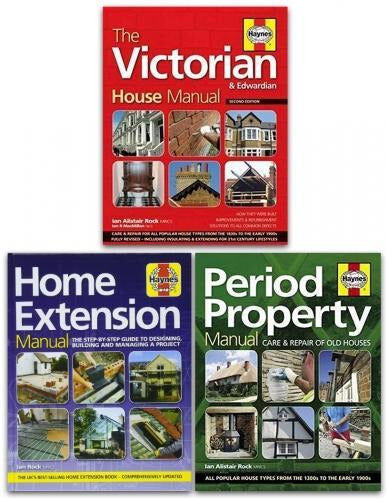
J H Haynes & Co Ltd Haynes Property Manual 3 Books Collection Set Home Extension The Victorian House Period PropertyTitles In this Set: The Victorian House Manual Home Extension Period Property The Victorian House Manual The Victorian House Manual (2nd Edition): How They Were Built, Improvements & Refurbishment, Solutions to All Common Defects Thinking of buying a Victorian or Edwardian house? Or maybe you already own one? Either way, this clearly written manual explains all you need to know about the care and repair of these classic properties. Today, many houses of this age are in need of extensive updating and maintenance, having suffered years of neglect. Some have been damaged by misguided home improvements or botched repairs using the wrong materials. Even newly refurbished properties can sometimes conceal dangerous structural alterations and shoddy build-quality. This unique manual provides detailed, expert advice, backed up with clear how to colour photographs, describing where to check for the critical danger signs and how to fix all common defects. Home ExtensionMany people are looking at ways to extend their homes rather than move house, but `getting the builders in' can be a recipe for disaster unless you really know what you are doing. Whether you plan to employ a building contractor or tackle some of the works yourself, this best-selling manual will show you how to stay firmly in control, resulting in a high-quality extension, completed on time and within budget. This new edition will include all the up-do-date information on complying with the latest Building Regs and Planning requirements, CAD design, energy-efficiency, under floor heating, bi-folds, liquid screeds, woodburning stoves and renewable energy. Period Property Britain has a wonderfully rich stock of period houses - everything from medieval cottages to Georgian townhouses and Edwardian mansions. But many of these historic properties are now at risk. Some are unwittingly damaged by well-meaning owners or incompetent builders; others suffer long-term deterioration where mortgage lenders have imposed quick-fix 'remedies'. Despite being some of the most sustainable buildings on the planet, many old houses are now being subjected to ill-advised works to upgrade thermal efficiency, resulting in the destruction of the very qualities that make them so appealing, slashing their values. Haynes have come to the rescue with this clearly written, lavishly illustrated manual explaining the correct approach to care and repair - covering the full range of traditional materials. Every old house has a story to tell, so Haynes also show how to explore your home's history and strip back modern finishes to reveal long lost original features. This comprehensive manual is essential reading whether you want to get your hands dirty or just want to understand how old houses work and how to go about employing specialist craftsmen.24,99 £*Shipping: 2,99 £Secure redirect to the provider


-
How can you convert 3 volts to 12 volts using two converters to change the voltage from 3 volts to 6 volts and then from 6 volts to 12 volts?
To convert 3 volts to 12 volts using two converters, you can first use a step-up converter to increase the voltage from 3 volts to 6 volts. Then, you can use another step-up converter to further increase the voltage from 6 volts to 12 volts. By using two converters in series, you can effectively step up the voltage from 3 volts to 12 volts. It's important to ensure that the converters are compatible with the input and output voltage requirements and have the necessary current capacity to handle the load. **
-
Are real estate properties the best investment in Germany?
Real estate properties can be a good investment in Germany due to the country's stable economy, low interest rates, and high demand for rental properties. However, like any investment, there are risks involved such as market fluctuations and potential maintenance costs. It is important for investors to carefully research the market and consider their financial goals before deciding if real estate is the best investment option for them in Germany. **
-
Can you convert 230 volts to 24 volts?
Yes, it is possible to convert 230 volts to 24 volts using a step-down transformer. A step-down transformer reduces the voltage from a higher level to a lower level by having more turns on the primary coil than on the secondary coil. This allows for the conversion of 230 volts to 24 volts, making it suitable for use in various electronic devices or appliances that require a lower voltage input. **
-
How can one reduce 12 volts to 10 volts?
One way to reduce 12 volts to 10 volts is by using a voltage regulator. A voltage regulator is an electronic device that can maintain a constant output voltage regardless of input voltage fluctuations. By using a voltage regulator with a 2-volt drop, the 12 volts can be reduced to 10 volts. Another method is to use a voltage divider circuit with resistors to create a voltage drop from 12 volts to 10 volts. **


How can you make 12 volts from 6 volts?
To make 12 volts from 6 volts, you can use a voltage doubler circuit. This circuit uses capacitors and diodes to double the input voltage. By connecting the components in a specific configuration, the circuit can generate an output voltage that is double the input voltage. This method is commonly used in electronics to step up voltage levels for various applications. **
How can I convert 74 volts to 5 volts?
To convert 74 volts to 5 volts, you can use a voltage regulator. A voltage regulator is an electronic device that can take in a higher voltage and output a lower, stable voltage. You would need to select a voltage regulator that can handle the input voltage of 74 volts and output 5 volts. By connecting the voltage regulator properly, you can step down the voltage from 74 volts to 5 volts efficiently and safely. **
Top-Angebote
Products related to Volts:
-
DEWALT 18V 6.35mm Impact Driver, DCF787N-XJ (Required Voltage: 18 volts, Portable)Overview The DEWALT 18V 6.35 mm Impact Driver DCF787N-XJ is a rugged, portable cordless tool designed for powerful fastening and driving performance. Built for tradespeople, professional users and serious DIYers, this impact driver delivers exceptional torque, fast operation and excellent control — making it ideal for fastening screws, bolts and other hardware quickly and efficiently on a variety of materials. As a body-only unit, it lets you choose the battery and charger that best fit your existing DEWALT 18V tool ecosystem. Key Features Powerful 18V cordless impact driver platform (DCF787N-XJ) 6.35 mm (1/4″) hex chuck for quick bit changes Brushless motor technology for improved efficiency and runtime Compact, lightweight design for better access and reduced fatigue LED work light for improved visibility in dark spaces Variable speed trigger for precision control Belt hook for convenient carry on the job Compatible with DEWALT 18V XR battery range (batteries & charger sold separately) Robust DEWALT build quality for site durability Benefits The DEWALT DCF787N-XJ impact driver delivers the strength and reliability needed for professional fastening tasks. Its 18V brushless motor generates excellent torque and power while maximising battery efficiency and tool longevity. With a 6.35 mm quick-change hex chuck, you can swap bits rapidly without wasting time, improving workflow during demanding jobs. The compact design makes this impact driver suitable for work in confined spaces — such as cabinetry, framing and automotive applications — where manoeuvrability matters. The built-in LED work light helps you maintain visibility in dimly lit areas, while the variable speed control provides enhanced precision for delicate tasks. As part of the DEWALT 18V XR system, this tool fits seamlessly into your existing battery lineup for convenience on the job site or at home. Specifications Table Specification Details Brand DEWALT Model DCF787N-XJ Voltage 18V Chuck 6.35 mm (1/4″) hex Motor Brushless Power Source Cordless (battery not included) Speed Control Variable speed trigger LED Light Yes Weight Lightweight, portable design Compatibility DEWALT 18V XR batteries Hook Belt hook included109,00 £*Shipping: 0,00 £Secure redirect to the provider
-
Skil 120 volts 7-1/4 in. Dia. Circular Saw 14 amps 5,300 rpm. Skil Voltage. 120 volts Blade Diameter. 7-1/4 in. Product Type. Circular Saw Amperage. 14 amps Maximum Speed. 5,300 rpm Blade Location. Right Maximum Cutting Depth at 90 Degrees. 2-7/16 in. Arbor Size. 5/8 in. Teeth per Inch. 20 TPI Packaging Type.94,99 $*Shipping: 0,00 $Secure redirect to the provider
-
J H Haynes & Co Ltd Haynes Property Manual 2 Books Collection Set (The Victorian House, Period Property)The Victorian House Manual The Victorian House Manual (2nd Edition): How They Were Built, Improvements & Refurbishment, Solutions to All Common Defects Thinking of buying a Victorian or Edwardian house? Or maybe you already own one? Either way, this clearly written manual explains all you need to know about the care and repair of these classic properties. Today, many houses of this age are in need of extensive updating and maintenance, having suffered years of neglect. Some have been damaged by misguided home improvements or botched repairs using the wrong materials. Even newly refurbished properties can sometimes conceal dangerous structural alterations and shoddy build-quality. This unique manual provides detailed, expert advice, backed up with clear how to colour photographs, describing where to check for the critical danger signs and how to fix all common defects. Period Property Britain has a wonderfully rich stock of period houses - everything from medieval cottages to Georgian townhouses and Edwardian mansions. But many of these historic properties are now at risk. Some are unwittingly damaged by well-meaning owners or incompetent builders; others suffer long-term deterioration where mortgage lenders have imposed quick-fix 'remedies'. Despite being some of the most sustainable buildings on the planet, many old houses are now being subjected to ill-advised works to upgrade thermal efficiency, resulting in the destruction of the very qualities that make them so appealing, slashing their values. Haynes have come to the rescue with this clearly written, lavishly illustrated manual explaining the correct approach to care and repair - covering the full range of traditional materials. Every old house has a story to tell, so Haynes also show how to explore your home's history and strip back modern finishes to reveal long lost original features. This comprehensive manual is essential reading whether you want to get your hands dirty or just want to understand how old houses work and how to go about employing specialist craftsmen.19,99 £*Shipping: 2,99 £Secure redirect to the provider
-
J H Haynes & Co Ltd Haynes Property Manual 3 Books Collection Set Home Extension The Victorian House Period PropertyTitles In this Set: The Victorian House Manual Home Extension Period Property The Victorian House Manual The Victorian House Manual (2nd Edition): How They Were Built, Improvements & Refurbishment, Solutions to All Common Defects Thinking of buying a Victorian or Edwardian house? Or maybe you already own one? Either way, this clearly written manual explains all you need to know about the care and repair of these classic properties. Today, many houses of this age are in need of extensive updating and maintenance, having suffered years of neglect. Some have been damaged by misguided home improvements or botched repairs using the wrong materials. Even newly refurbished properties can sometimes conceal dangerous structural alterations and shoddy build-quality. This unique manual provides detailed, expert advice, backed up with clear how to colour photographs, describing where to check for the critical danger signs and how to fix all common defects. Home ExtensionMany people are looking at ways to extend their homes rather than move house, but `getting the builders in' can be a recipe for disaster unless you really know what you are doing. Whether you plan to employ a building contractor or tackle some of the works yourself, this best-selling manual will show you how to stay firmly in control, resulting in a high-quality extension, completed on time and within budget. This new edition will include all the up-do-date information on complying with the latest Building Regs and Planning requirements, CAD design, energy-efficiency, under floor heating, bi-folds, liquid screeds, woodburning stoves and renewable energy. Period Property Britain has a wonderfully rich stock of period houses - everything from medieval cottages to Georgian townhouses and Edwardian mansions. But many of these historic properties are now at risk. Some are unwittingly damaged by well-meaning owners or incompetent builders; others suffer long-term deterioration where mortgage lenders have imposed quick-fix 'remedies'. Despite being some of the most sustainable buildings on the planet, many old houses are now being subjected to ill-advised works to upgrade thermal efficiency, resulting in the destruction of the very qualities that make them so appealing, slashing their values. Haynes have come to the rescue with this clearly written, lavishly illustrated manual explaining the correct approach to care and repair - covering the full range of traditional materials. Every old house has a story to tell, so Haynes also show how to explore your home's history and strip back modern finishes to reveal long lost original features. This comprehensive manual is essential reading whether you want to get your hands dirty or just want to understand how old houses work and how to go about employing specialist craftsmen.24,99 £*Shipping: 2,99 £Secure redirect to the provider
-
Are real estate funds a good investment?
Real estate funds can be a good investment option for individuals looking to diversify their portfolio and gain exposure to the real estate market without directly owning property. These funds typically invest in a variety of properties, providing investors with a level of diversification and potentially higher returns than owning a single property. However, like any investment, real estate funds come with risks such as market fluctuations, liquidity concerns, and management fees. It is important for investors to carefully research and consider their financial goals and risk tolerance before investing in real estate funds. **
-
What are 48 volts and 12 volts?
48 volts and 12 volts are measurements of electrical potential difference, commonly used in various electrical systems. 48 volts is typically used in telecommunications, data centers, and industrial applications, while 12 volts is commonly found in automotive systems, small electronics, and lighting. These voltage levels determine the amount of power that can be supplied to devices and equipment, with higher voltages like 48 volts providing more power than lower voltages like 12 volts. **
-
How can you convert 3 volts to 12 volts using two converters to change the voltage from 3 volts to 6 volts and then from 6 volts to 12 volts?
To convert 3 volts to 12 volts using two converters, you can first use a step-up converter to increase the voltage from 3 volts to 6 volts. Then, you can use another step-up converter to further increase the voltage from 6 volts to 12 volts. By using two converters in series, you can effectively step up the voltage from 3 volts to 12 volts. It's important to ensure that the converters are compatible with the input and output voltage requirements and have the necessary current capacity to handle the load. **
-
Are real estate properties the best investment in Germany?
Real estate properties can be a good investment in Germany due to the country's stable economy, low interest rates, and high demand for rental properties. However, like any investment, there are risks involved such as market fluctuations and potential maintenance costs. It is important for investors to carefully research the market and consider their financial goals before deciding if real estate is the best investment option for them in Germany. **
Similar search terms for Volts
-
Can you convert 230 volts to 24 volts?
Yes, it is possible to convert 230 volts to 24 volts using a step-down transformer. A step-down transformer reduces the voltage from a higher level to a lower level by having more turns on the primary coil than on the secondary coil. This allows for the conversion of 230 volts to 24 volts, making it suitable for use in various electronic devices or appliances that require a lower voltage input. **
-
How can one reduce 12 volts to 10 volts?
One way to reduce 12 volts to 10 volts is by using a voltage regulator. A voltage regulator is an electronic device that can maintain a constant output voltage regardless of input voltage fluctuations. By using a voltage regulator with a 2-volt drop, the 12 volts can be reduced to 10 volts. Another method is to use a voltage divider circuit with resistors to create a voltage drop from 12 volts to 10 volts. **
-
How can you make 12 volts from 6 volts?
To make 12 volts from 6 volts, you can use a voltage doubler circuit. This circuit uses capacitors and diodes to double the input voltage. By connecting the components in a specific configuration, the circuit can generate an output voltage that is double the input voltage. This method is commonly used in electronics to step up voltage levels for various applications. **
-
How can I convert 74 volts to 5 volts?
To convert 74 volts to 5 volts, you can use a voltage regulator. A voltage regulator is an electronic device that can take in a higher voltage and output a lower, stable voltage. You would need to select a voltage regulator that can handle the input voltage of 74 volts and output 5 volts. By connecting the voltage regulator properly, you can step down the voltage from 74 volts to 5 volts efficiently and safely. **
* All prices are inclusive of VAT and, if applicable, plus shipping costs. The offer information is based on the details provided by the respective shop and is updated through automated processes. Real-time updates do not occur, so deviations can occur in individual cases. ** Note: Parts of this content were created by AI.