Buy immobilienfinanzierungen.eu ?
We are moving the project
immobilienfinanzierungen.eu .
Are you interested in purchasing the domain
immobilienfinanzierungen.eu ?
domain@kv-gmbh.de · 0541-91531010
Buy immobilienfinanzierungen.eu ?
What is RNA self-replication?
RNA self-replication is a process where RNA molecules are able to catalyze their own replication without the need for external enzymes. This ability is crucial for the early evolution of life on Earth, as it is believed to be a key step in the transition from prebiotic chemistry to the emergence of life. RNA self-replication involves the RNA molecule acting as both a template and an enzyme, allowing it to make copies of itself. This process is a fundamental aspect of the RNA world hypothesis, which suggests that RNA played a central role in the origin of life. **
What are DNA and RNA?
DNA (deoxyribonucleic acid) and RNA (ribonucleic acid) are both types of nucleic acids that are essential for the storage and expression of genetic information in living organisms. DNA is the molecule that carries the genetic instructions for the development, functioning, growth, and reproduction of all known living organisms and many viruses. It is a double-stranded molecule that is composed of a long chain of nucleotides. RNA, on the other hand, is a single-stranded molecule that is involved in various biological roles, including coding, decoding, regulation, and expression of genes. It plays a crucial role in the synthesis of proteins from the genetic information encoded in DNA. **
Similar search terms for Rna
Top-Angebote
Products related to Rna:




-
What happens first during RNA processing?
During RNA processing, the initial step is the removal of introns from the pre-mRNA molecule through a process called splicing. This results in the formation of a mature mRNA molecule that only contains exons. Following splicing, a 5' cap is added to the beginning of the mRNA molecule, which helps protect it from degradation and aids in the initiation of translation. Finally, a poly-A tail is added to the 3' end of the mRNA molecule, which also plays a role in stabilizing the mRNA and facilitating its export from the nucleus. **
-
Is mRNA the same as RNA?
mRNA (messenger RNA) is a type of RNA (ribonucleic acid). RNA is a broad category that includes several types of molecules involved in various cellular processes, including mRNA, tRNA (transfer RNA), and rRNA (ribosomal RNA). mRNA specifically carries the genetic information from the DNA in the cell's nucleus to the ribosomes, where it is used as a template for protein synthesis. Therefore, while mRNA is a type of RNA, not all RNA molecules are mRNA. **
-
Are real estate funds a good investment?
Real estate funds can be a good investment option for individuals looking to diversify their portfolio and gain exposure to the real estate market without directly owning property. These funds typically invest in a variety of properties, providing investors with a level of diversification and potentially higher returns than owning a single property. However, like any investment, real estate funds come with risks such as market fluctuations, liquidity concerns, and management fees. It is important for investors to carefully research and consider their financial goals and risk tolerance before investing in real estate funds. **
-
How can RNA interference be explained simply?
RNA interference is a natural process in cells that helps regulate gene expression. It involves small RNA molecules, such as siRNA or miRNA, binding to specific messenger RNA molecules and targeting them for degradation. This process helps control the amount of protein produced by a gene, ultimately influencing various cellular functions. In simple terms, RNA interference can be thought of as a way for cells to "silence" certain genes by using small RNA molecules to block their expression. **


How can one explain RNA interference simply?
RNA interference is a natural process in cells that helps regulate gene expression. It involves small RNA molecules, called siRNAs or miRNAs, binding to specific messenger RNA molecules and targeting them for degradation or blocking their translation into proteins. This process can effectively silence the expression of specific genes, allowing cells to control which proteins are produced. In simple terms, RNA interference can be thought of as a way for cells to turn down the volume on certain genes, reducing their impact on cellular processes. **
Do mutated retrogenes also arise from xeno-RNA?
Mutated retrogenes can potentially arise from xeno-RNA, which refers to foreign RNA sequences that are integrated into the genome. Xeno-RNA can be transcribed into DNA by reverse transcriptase enzymes, leading to the formation of retrogenes through the process of retrotransposition. These retrogenes can then undergo mutations and potentially contribute to genetic diversity and evolution. However, the exact mechanisms and frequency of retrogenes arising from xeno-RNA are still being studied. **
Top-Angebote
Products related to Rna:
-
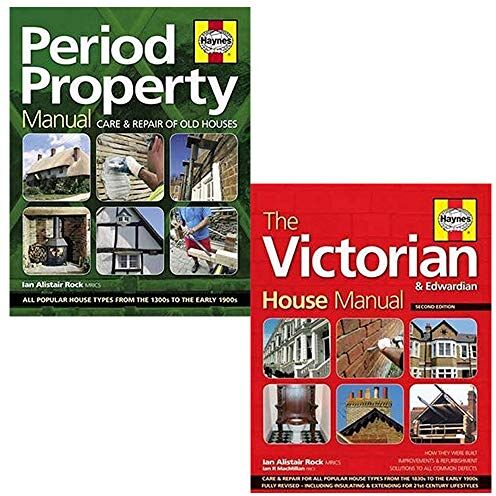
J H Haynes & Co Ltd Haynes Property Manual 2 Books Collection Set (The Victorian House, Period Property)The Victorian House Manual The Victorian House Manual (2nd Edition): How They Were Built, Improvements & Refurbishment, Solutions to All Common Defects Thinking of buying a Victorian or Edwardian house? Or maybe you already own one? Either way, this clearly written manual explains all you need to know about the care and repair of these classic properties. Today, many houses of this age are in need of extensive updating and maintenance, having suffered years of neglect. Some have been damaged by misguided home improvements or botched repairs using the wrong materials. Even newly refurbished properties can sometimes conceal dangerous structural alterations and shoddy build-quality. This unique manual provides detailed, expert advice, backed up with clear how to colour photographs, describing where to check for the critical danger signs and how to fix all common defects. Period Property Britain has a wonderfully rich stock of period houses - everything from medieval cottages to Georgian townhouses and Edwardian mansions. But many of these historic properties are now at risk. Some are unwittingly damaged by well-meaning owners or incompetent builders; others suffer long-term deterioration where mortgage lenders have imposed quick-fix 'remedies'. Despite being some of the most sustainable buildings on the planet, many old houses are now being subjected to ill-advised works to upgrade thermal efficiency, resulting in the destruction of the very qualities that make them so appealing, slashing their values. Haynes have come to the rescue with this clearly written, lavishly illustrated manual explaining the correct approach to care and repair - covering the full range of traditional materials. Every old house has a story to tell, so Haynes also show how to explore your home's history and strip back modern finishes to reveal long lost original features. This comprehensive manual is essential reading whether you want to get your hands dirty or just want to understand how old houses work and how to go about employing specialist craftsmen.19,99 £*Shipping: 2,99 £Secure redirect to the provider
-
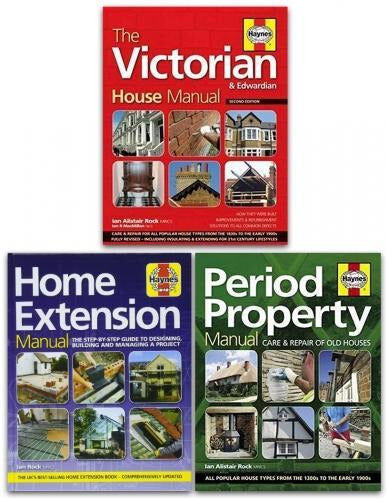
J H Haynes & Co Ltd Haynes Property Manual 3 Books Collection Set Home Extension The Victorian House Period PropertyTitles In this Set: The Victorian House Manual Home Extension Period Property The Victorian House Manual The Victorian House Manual (2nd Edition): How They Were Built, Improvements & Refurbishment, Solutions to All Common Defects Thinking of buying a Victorian or Edwardian house? Or maybe you already own one? Either way, this clearly written manual explains all you need to know about the care and repair of these classic properties. Today, many houses of this age are in need of extensive updating and maintenance, having suffered years of neglect. Some have been damaged by misguided home improvements or botched repairs using the wrong materials. Even newly refurbished properties can sometimes conceal dangerous structural alterations and shoddy build-quality. This unique manual provides detailed, expert advice, backed up with clear how to colour photographs, describing where to check for the critical danger signs and how to fix all common defects. Home ExtensionMany people are looking at ways to extend their homes rather than move house, but `getting the builders in' can be a recipe for disaster unless you really know what you are doing. Whether you plan to employ a building contractor or tackle some of the works yourself, this best-selling manual will show you how to stay firmly in control, resulting in a high-quality extension, completed on time and within budget. This new edition will include all the up-do-date information on complying with the latest Building Regs and Planning requirements, CAD design, energy-efficiency, under floor heating, bi-folds, liquid screeds, woodburning stoves and renewable energy. Period Property Britain has a wonderfully rich stock of period houses - everything from medieval cottages to Georgian townhouses and Edwardian mansions. But many of these historic properties are now at risk. Some are unwittingly damaged by well-meaning owners or incompetent builders; others suffer long-term deterioration where mortgage lenders have imposed quick-fix 'remedies'. Despite being some of the most sustainable buildings on the planet, many old houses are now being subjected to ill-advised works to upgrade thermal efficiency, resulting in the destruction of the very qualities that make them so appealing, slashing their values. Haynes have come to the rescue with this clearly written, lavishly illustrated manual explaining the correct approach to care and repair - covering the full range of traditional materials. Every old house has a story to tell, so Haynes also show how to explore your home's history and strip back modern finishes to reveal long lost original features. This comprehensive manual is essential reading whether you want to get your hands dirty or just want to understand how old houses work and how to go about employing specialist craftsmen.24,99 £*Shipping: 2,99 £Secure redirect to the provider
-
What is RNA self-replication?
RNA self-replication is a process where RNA molecules are able to catalyze their own replication without the need for external enzymes. This ability is crucial for the early evolution of life on Earth, as it is believed to be a key step in the transition from prebiotic chemistry to the emergence of life. RNA self-replication involves the RNA molecule acting as both a template and an enzyme, allowing it to make copies of itself. This process is a fundamental aspect of the RNA world hypothesis, which suggests that RNA played a central role in the origin of life. **
-
What are DNA and RNA?
DNA (deoxyribonucleic acid) and RNA (ribonucleic acid) are both types of nucleic acids that are essential for the storage and expression of genetic information in living organisms. DNA is the molecule that carries the genetic instructions for the development, functioning, growth, and reproduction of all known living organisms and many viruses. It is a double-stranded molecule that is composed of a long chain of nucleotides. RNA, on the other hand, is a single-stranded molecule that is involved in various biological roles, including coding, decoding, regulation, and expression of genes. It plays a crucial role in the synthesis of proteins from the genetic information encoded in DNA. **
-
What happens first during RNA processing?
During RNA processing, the initial step is the removal of introns from the pre-mRNA molecule through a process called splicing. This results in the formation of a mature mRNA molecule that only contains exons. Following splicing, a 5' cap is added to the beginning of the mRNA molecule, which helps protect it from degradation and aids in the initiation of translation. Finally, a poly-A tail is added to the 3' end of the mRNA molecule, which also plays a role in stabilizing the mRNA and facilitating its export from the nucleus. **
-
Is mRNA the same as RNA?
mRNA (messenger RNA) is a type of RNA (ribonucleic acid). RNA is a broad category that includes several types of molecules involved in various cellular processes, including mRNA, tRNA (transfer RNA), and rRNA (ribosomal RNA). mRNA specifically carries the genetic information from the DNA in the cell's nucleus to the ribosomes, where it is used as a template for protein synthesis. Therefore, while mRNA is a type of RNA, not all RNA molecules are mRNA. **
Similar search terms for Rna
-
Are real estate funds a good investment?
Real estate funds can be a good investment option for individuals looking to diversify their portfolio and gain exposure to the real estate market without directly owning property. These funds typically invest in a variety of properties, providing investors with a level of diversification and potentially higher returns than owning a single property. However, like any investment, real estate funds come with risks such as market fluctuations, liquidity concerns, and management fees. It is important for investors to carefully research and consider their financial goals and risk tolerance before investing in real estate funds. **
-
How can RNA interference be explained simply?
RNA interference is a natural process in cells that helps regulate gene expression. It involves small RNA molecules, such as siRNA or miRNA, binding to specific messenger RNA molecules and targeting them for degradation. This process helps control the amount of protein produced by a gene, ultimately influencing various cellular functions. In simple terms, RNA interference can be thought of as a way for cells to "silence" certain genes by using small RNA molecules to block their expression. **
-
How can one explain RNA interference simply?
RNA interference is a natural process in cells that helps regulate gene expression. It involves small RNA molecules, called siRNAs or miRNAs, binding to specific messenger RNA molecules and targeting them for degradation or blocking their translation into proteins. This process can effectively silence the expression of specific genes, allowing cells to control which proteins are produced. In simple terms, RNA interference can be thought of as a way for cells to turn down the volume on certain genes, reducing their impact on cellular processes. **
-
Do mutated retrogenes also arise from xeno-RNA?
Mutated retrogenes can potentially arise from xeno-RNA, which refers to foreign RNA sequences that are integrated into the genome. Xeno-RNA can be transcribed into DNA by reverse transcriptase enzymes, leading to the formation of retrogenes through the process of retrotransposition. These retrogenes can then undergo mutations and potentially contribute to genetic diversity and evolution. However, the exact mechanisms and frequency of retrogenes arising from xeno-RNA are still being studied. **
* All prices are inclusive of VAT and, if applicable, plus shipping costs. The offer information is based on the details provided by the respective shop and is updated through automated processes. Real-time updates do not occur, so deviations can occur in individual cases. ** Note: Parts of this content were created by AI.