Buy immobilienfinanzierungen.eu ?
We are moving the project
immobilienfinanzierungen.eu .
Are you interested in purchasing the domain
immobilienfinanzierungen.eu ?
domain@kv-gmbh.de · 0541-91531010
Buy immobilienfinanzierungen.eu ?
What is the difference between real estate management and real estate business?
Real estate management involves the day-to-day operation and maintenance of properties, including tasks such as rent collection, property maintenance, and tenant relations. On the other hand, real estate business refers to the buying, selling, and development of properties for profit. Real estate management focuses on the operational aspects of properties, while real estate business involves the strategic and financial aspects of property transactions. Both are important components of the real estate industry, but they have different focuses and responsibilities. **
What is the manuscript submission policy of Random House publishers?
Random House does not accept unsolicited manuscripts, meaning they only consider submissions from literary agents. Authors are encouraged to find representation before submitting their work to Random House. This policy helps ensure that submissions are of a certain quality and have been vetted by professionals in the industry. **
Similar search terms for Random-House-Business-Harriman
Top-Angebote
Products related to Random-House-Business-Harriman:
-
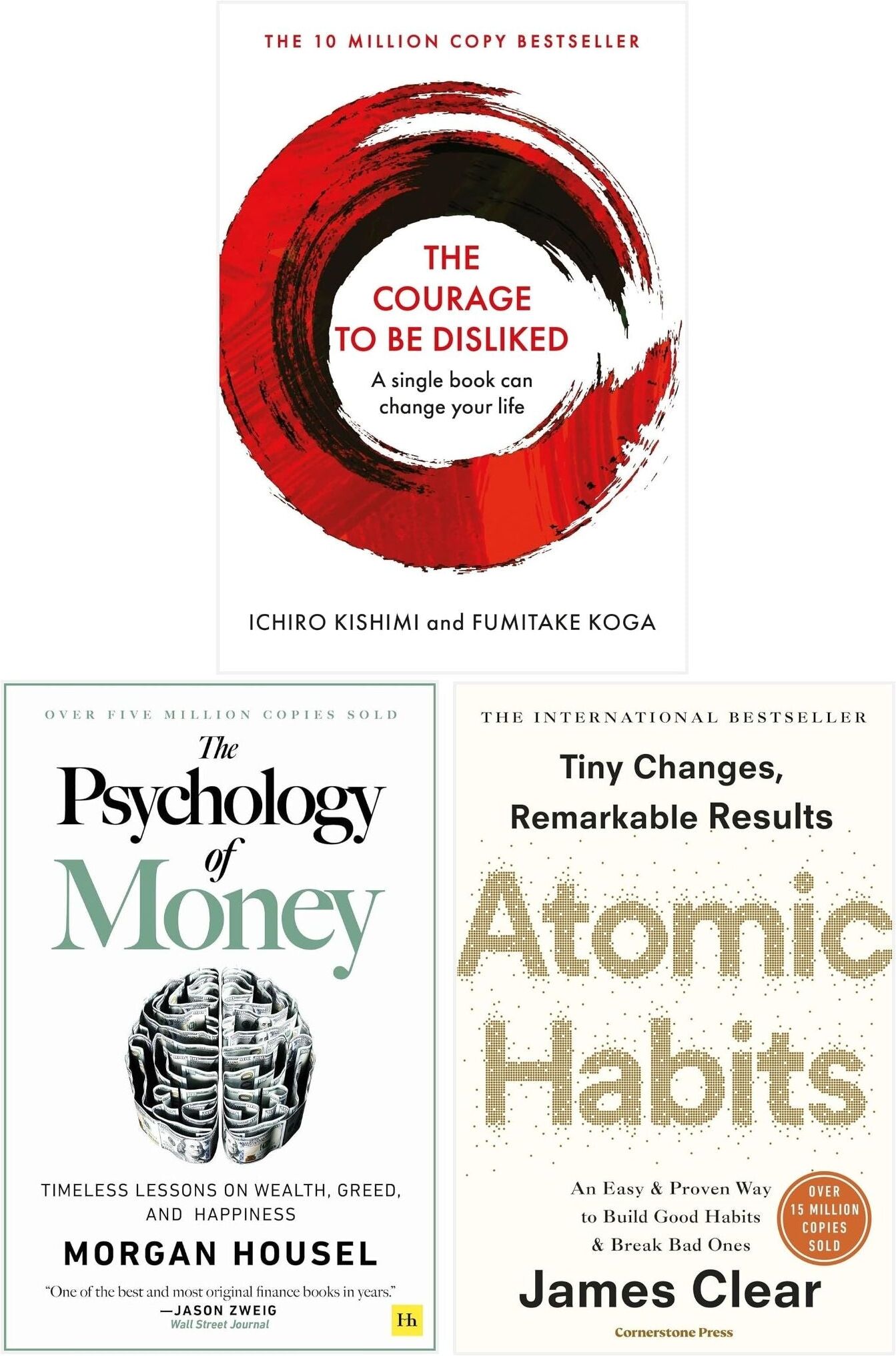
Harriman House The Psychology of Money, Atomic Habits & The Courage to Be Disliked – 3 Book Collection Set Bestselling Self-Development, Personal Finance, Self-HelUpgrade your mindset, habits, and financial thinking with this powerful 3-book collection set, featuring three of the most influential modern self-development titles. This essential bundle includes: The Psychology of Money by Morgan Housel – Discover how emotions and behaviour shape financial decisions and long-term wealth. Atomic Habits by James Clear – Learn how small habits can create powerful, lasting change. The Courage to Be Disliked by Ichiro Kishimi & Fumitake Koga** – Explore a transformative approach to happiness, freedom, and self-acceptance based on Adlerian psychology. Together, these books offer a complete guide to financial wisdom, personal growth, emotional resilience, and habit-building, making this set ideal for anyone looking to improve their life and mindset. Why Readers Love This Collection: Includes 3 bestselling modern self-development books Covers money, habits, mindset, and personal freedom Practical, easy-to-apply life lessons Perfect for beginners and experienced readers alike Ideal gift for motivation and self-improvement A must-have for anyone on a journey of personal growth, this collection delivers powerful insights for building a better, more successful life.22,99 £*Shipping: 2,99 £Secure redirect to the provider
-
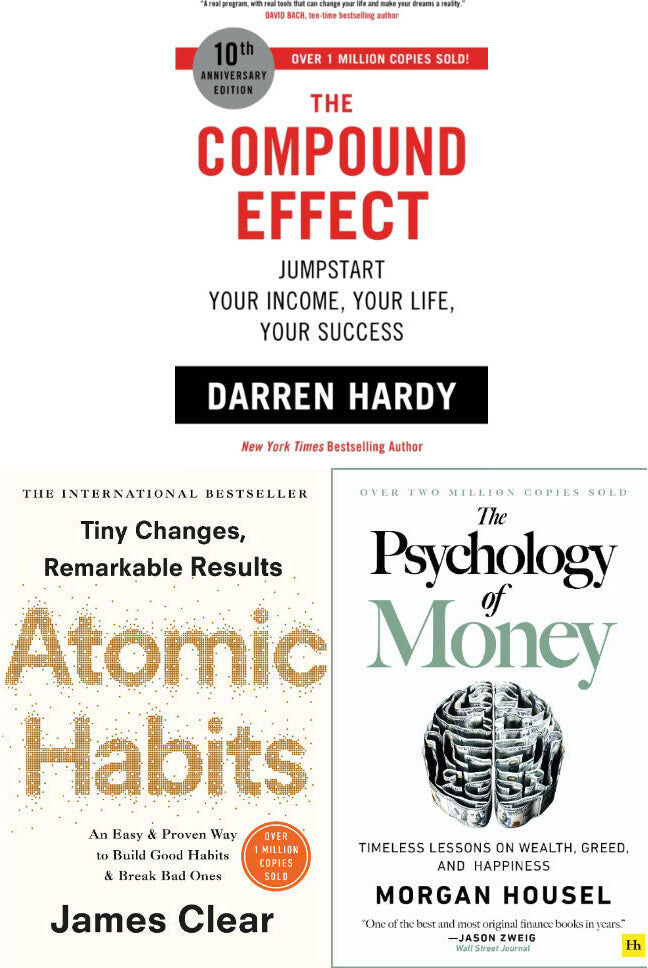
Harriman House Atomic Habits, The Compound Effect, The Psychology of Money 3 Books Collection SetAtomic Habits People think that when you want to change your life, you need to think big. But world-renowned habits expert James Clear has discovered another way. He knows that real change comes from the compound effect of hundreds of small decisions: doing two push-ups a day, waking up five minutes early, or holding a single short phone call. The Compound Effect As the central curator of the success media industry for over 25 years, author Darren Hardy has heard it all, seen it all, and tried most of it. This book reveals the core principles that drive success. The Compound Effect contains the essence of what every superachiever needs to know, practice, and master to obtain extraordinary success. Inside you will find strategies on: How to win--every time! The Psychology of Money Doing well with money isn't necessarily about what you know. It's about how you behave. And behavior is hard to teach, even to really smart people. Money investing, personal finance, and business decisions is typically taught as a math-based field, where data and formulas tell us exactly what to do. But in the real world people don't make financial decisions on a spreadsheet.22,95 £*Shipping: 2,99 £Secure redirect to the provider
-
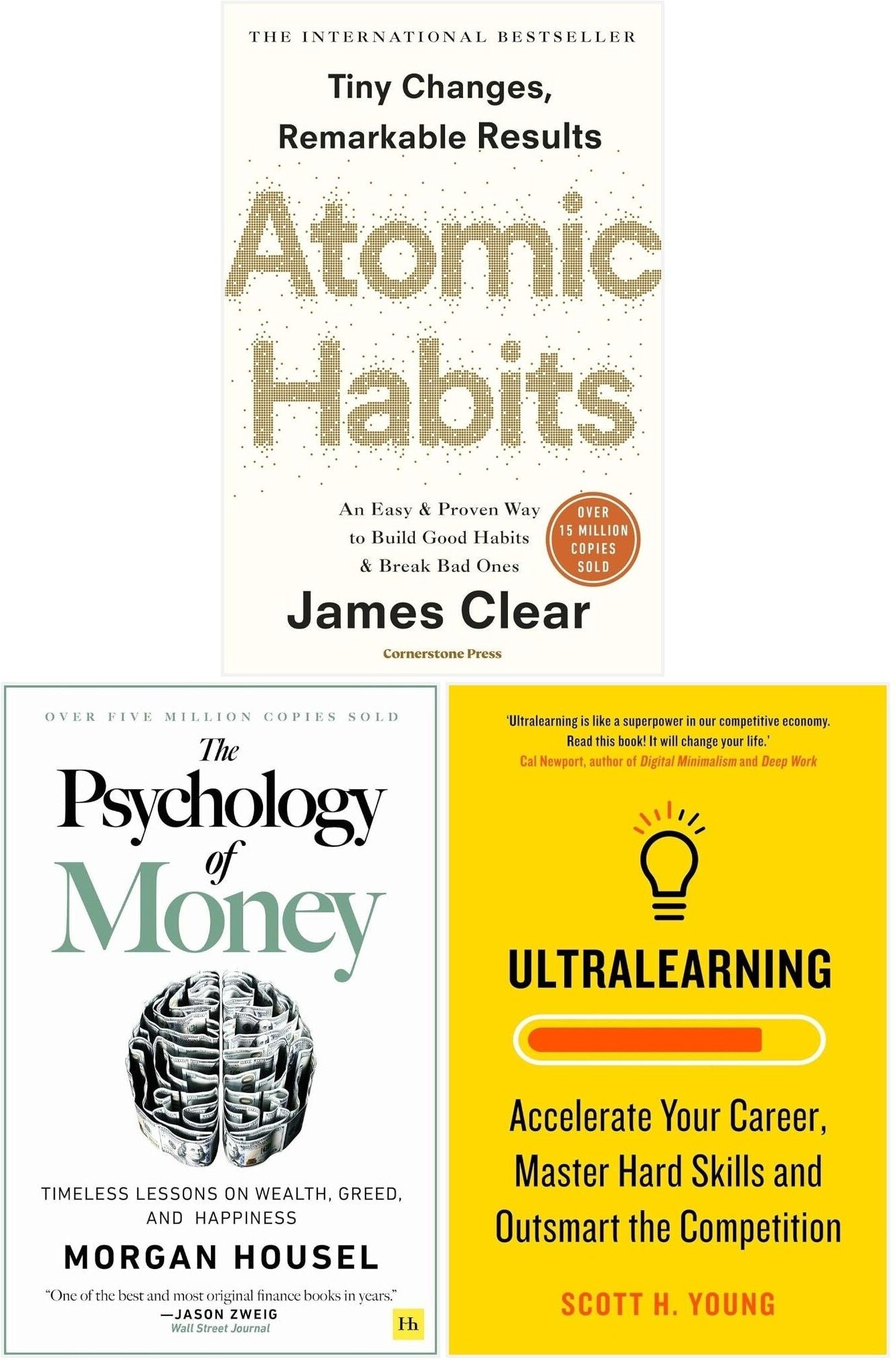
Thorsons/Cornerstone/Harriman House Ultralearning, Atomic Habits and The Psychology of Money 3 Books SetUltralearning Future-proof your career and maximize your competitive advantage by learning the skill necessary to stay relevant, reinvent yourself, and adapt to whatever the workplace throws your way in this essential guide. Faced with tumultuous economic times and rapid technological change, staying ahead in your career depends on continual learning―a lifelong mastery of new ideas, subjects, and skills. If you want to accomplish more and stand apart from everyone else, you need to become an ultralearner. Atomic Habits Transform your life with tiny changes in behaviour, starting now. People think that when you want to change your life, you need to think big. But world-renowned habits expert James Clear has discovered another way. He knows that real change comes from the compound effect of hundreds of small decisions: doing two push-ups a day, waking up five minutes early, or holding a single short phone call. The Psychology of Money Doing well with money isn't necessarily about what you know. It's about how you behave. And behavior is hard to teach, even to really smart people. Money investing, personal finance, and business decisions is typically taught as a math-based field, where data and formulas tell us exactly what to do. But in the real world people don't make financial decisions on a spreadsheet. They make them at the dinner table, or in a meeting room, where personal history, your own unique view of the world, ego, pride, marketing, and odd incentives are scrambled together.29,99 £*Shipping: 2,99 £Secure redirect to the provider
-
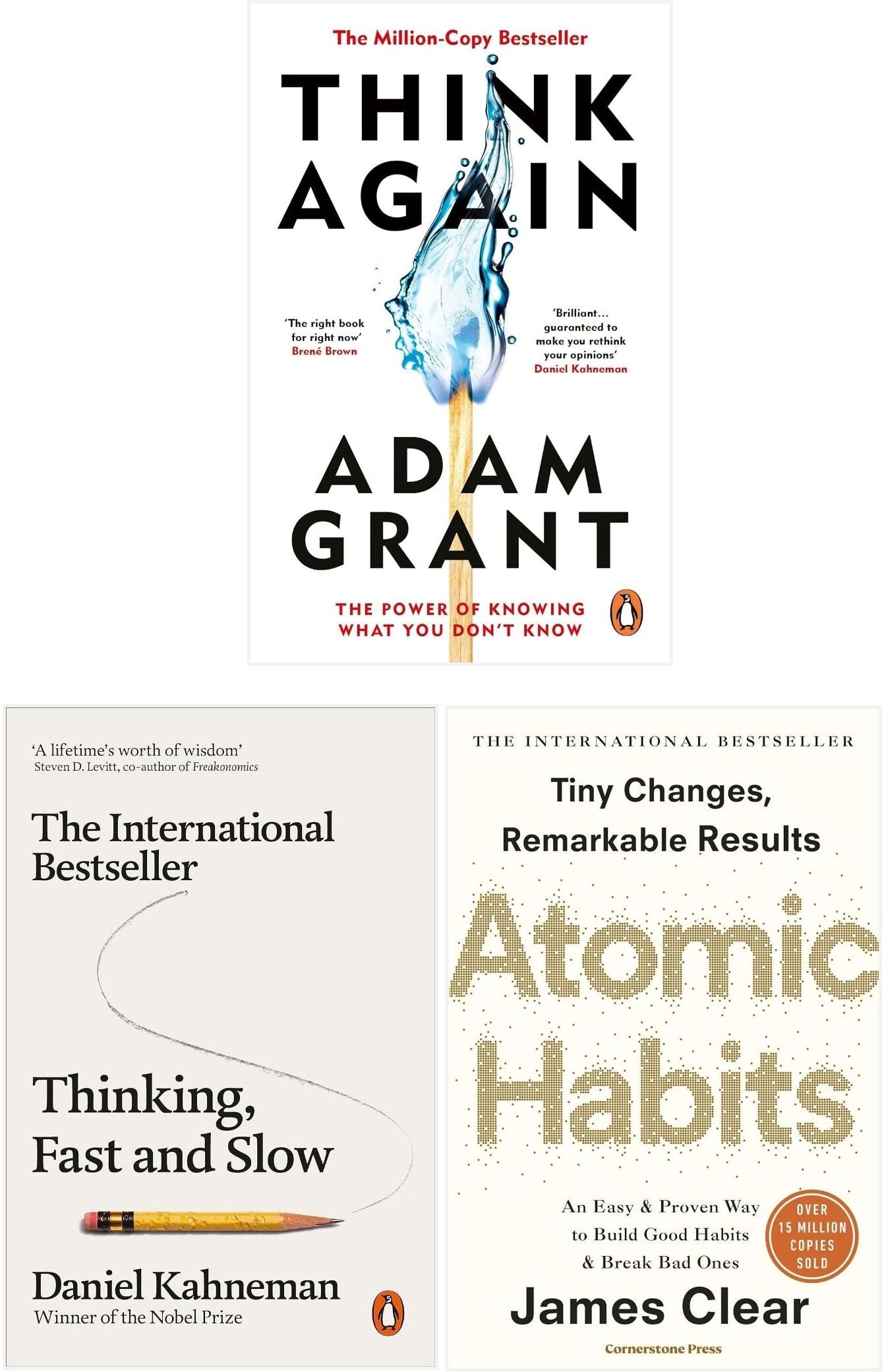
WH Allen/Random House Business/Penguin Think Again, Atomic Habits and Thinking, Fast and Slow 3 Books Collection SetThink Again by Adam Grant If you can change your mind you can do anything. Why do we refresh our wardrobes every year, renovate our kitchens every decade, but never update our beliefs and our views? Why do we laugh at people using computers that are ten years old, but yet still cling to opinions we formed ten years ago? There's a new skill for the modern world that matters more than raw intelligence - the ability to change your mind. To have the edge we all need to develop the flexibility to unlearn old beliefs and adapt when the evidence and the world changes before us. Atomic Habits by James Clear Transform your life with tiny changes in behaviour, starting now. People think that when you want to change your life, you need to think big. But world-renowned habits expert James Clear has discovered another way. He knows that real change comes from the compound effect of hundreds of small decisions: doing two push-ups a day, waking up five minutes early, or holding a single short phone call. He calls them atomic habits. Thinking, Fast and Slow by Daniel Kahneman Why do we make the decisions we do? Nobel Prize winner Daniel Kahneman revolutionised our understanding of human behaviour with Thinking, Fast and Slow. Distilling his life's work, Kahneman showed that there are two ways we make choices: fast, intuitive thinking, and slow, rational thinking. His book reveals how our minds are tripped up by error, bias and prejudice (even when we think we are being logical) and gives practical techniques that enable us all to improve our decision-making. This profound exploration of the marvels and limitations of the human mind has had a lasting impact on how we see ourselves.22,99 £*Shipping: 2,99 £Secure redirect to the provider
-
What is the manuscript submission process for Random House publishers?
The manuscript submission process for Random House publishers typically involves sending a query letter or proposal to the appropriate editor or literary agent. If the editor or agent is interested, they may request to see the full manuscript. Once the manuscript is submitted, it will go through a review process to determine if it aligns with the publisher's needs and standards. If the manuscript is accepted, the author will work with an editor to prepare the book for publication. **
-
What is the difference between the real estate specialist and the real estate business economist?
The real estate specialist typically focuses on the practical aspects of buying, selling, and managing real estate properties. They may specialize in areas such as residential, commercial, or industrial real estate. On the other hand, the real estate business economist focuses on the broader economic factors that impact the real estate market, such as interest rates, employment trends, and market forecasts. They analyze data and trends to provide insights into the overall health and direction of the real estate market. While the specialist deals with the day-to-day operations, the economist provides a more macro-level perspective on the industry. **
-
What is the difference between a Real Estate Specialist and a Real Estate Business Administrator?
A Real Estate Specialist typically focuses on the buying, selling, and leasing of properties, working directly with clients to help them find their ideal property or sell their current one. On the other hand, a Real Estate Business Administrator is responsible for the administrative and operational aspects of a real estate business, such as managing finances, coordinating transactions, and overseeing office operations. While a Real Estate Specialist deals more with the client-facing aspects of the real estate industry, a Real Estate Business Administrator handles the behind-the-scenes tasks to ensure the business runs smoothly. **
-
Can the real estate agent have our house key?
Yes, it is common practice for real estate agents to have a copy of the house key in order to show the property to potential buyers. This allows for more flexibility in scheduling showings and ensures that the property is easily accessible for interested parties. However, it is important to discuss and confirm this arrangement with your real estate agent before providing them with a key. **

Are real estate funds a good investment?
Real estate funds can be a good investment option for individuals looking to diversify their portfolio and gain exposure to the real estate market without directly owning property. These funds typically invest in a variety of properties, providing investors with a level of diversification and potentially higher returns than owning a single property. However, like any investment, real estate funds come with risks such as market fluctuations, liquidity concerns, and management fees. It is important for investors to carefully research and consider their financial goals and risk tolerance before investing in real estate funds. **
Can you become a real estate agent after studying business administration?
Yes, studying business administration can provide a strong foundation for a career as a real estate agent. Business administration coursework often covers topics such as marketing, finance, and negotiation skills, which are all valuable skills for real estate agents. Additionally, understanding business principles can be beneficial when managing real estate transactions and building a client base. With additional real estate-specific training and licensing requirements, a business administration graduate can certainly transition into a successful career as a real estate agent. **
Top-Angebote
Products related to Random-House-Business-Harriman:
-
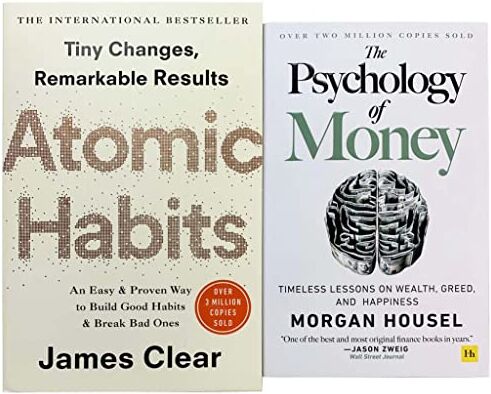
Random House Business/Harriman House ltd Atomic Habits & The Psychology of Money – 2 Books Collection Set Personal Growth, Wealth & Mindset BestsellersAtomic Habits People think that when you want to change your life, you need to think big. But world-renowned habits expert James Clear has discovered another way. He knows that real change comes from the compound effect of hundreds of small decisions: doing two push-ups a day, waking up five minutes early, or holding a single short phone call. He calls them atomic habits. In this ground-breaking book, Clears reveals exactly how these minuscule changes can grow into such life-altering outcomes. He uncovers a handful of simple life hacks (the forgotten art of Habit Stacking, the unexpected power of the Two Minute Rule, or the trick to entering the Goldilocks Zone), and delves into cutting-edge psychology and neuroscience to explain why they matter. Along the way, he tells inspiring stories of Olympic gold medalists, leading CEOs, and distinguished scientists who have used the science of tiny habits to stay productive, motivated, and happy. The Psychology of Money Doing well with money isn't necessarily about what you know. It's about how you behave. And behaviour is hard to teach, even to really smart people. Money investing, personal finance, and business decisions is typically taught as a math-based field, where data and formulas tell us exactly what to do. But in the real world people don't make financial decisions on a spreadsheet. They make them at the dinner table, or in a meeting room, where personal history, your own unique view of the world, ego, pride, marketing, and odd incentives are scrambled together. In The Psychology of Money, award-winning author Morgan Housel shares 19 short stories exploring the strange ways people think about money and teaches you how to make better sense of one of life's most important topics.15,99 £*Shipping: 2,99 £Secure redirect to the provider
-
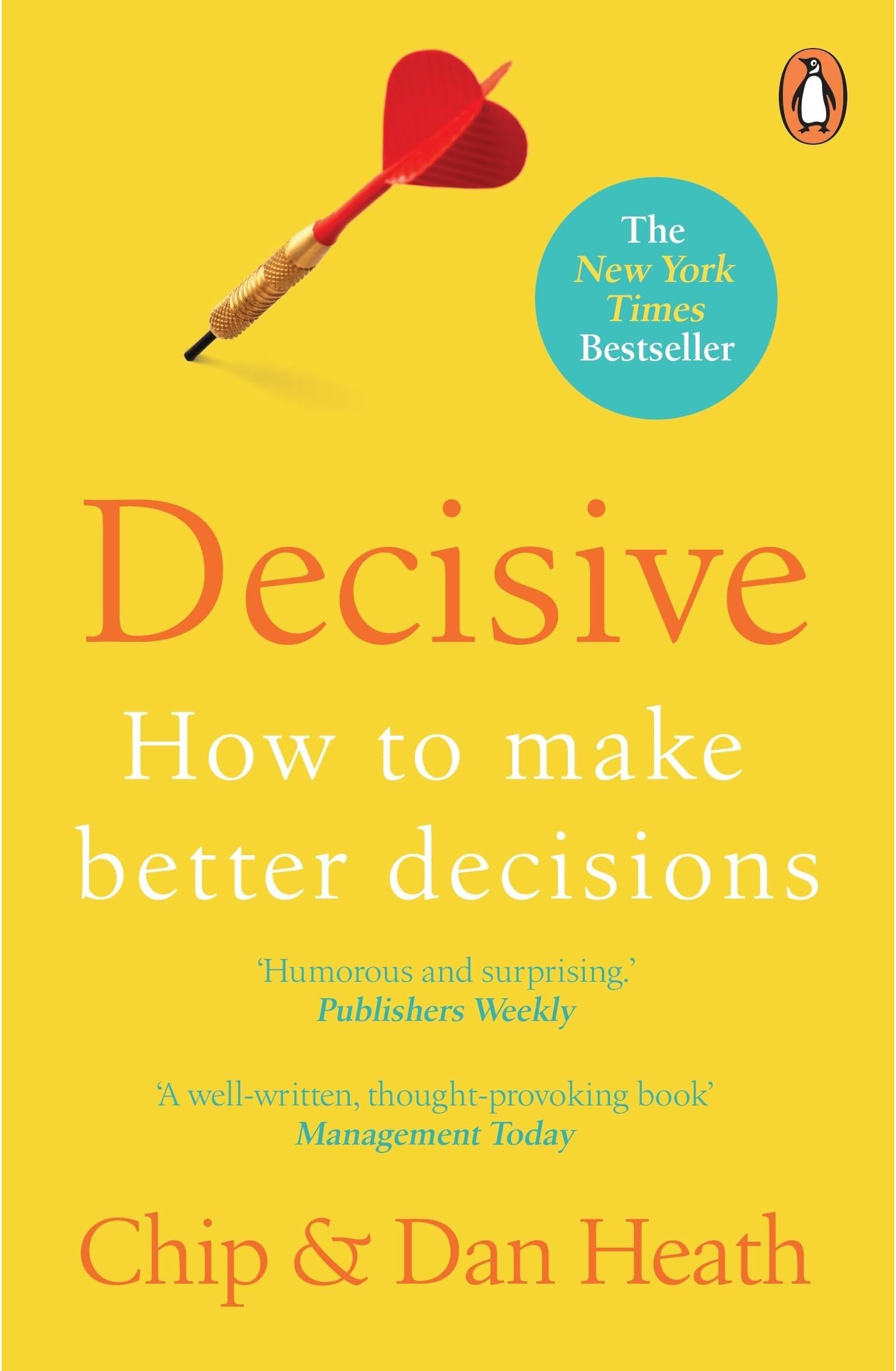
Random House Business Decisive: How to Make Better Decisions by Chip & Dan HeathThe New York Times-bestselling authors of Switch and Made to Stick offer a fascinating tour through the workings of our minds to reveal how to make smarter decisions. Research in psychology has revealed that our decisions are disrupted by an array of biases and irrationalities. We're overconfident. We seek out information that supports us and downplay information that doesn't. We get distracted by short-term emotions. When it comes to making choices, our brains are flawed instruments. So, how can we do better? In Decisive, Chip and Dan Heath draw on cutting-edge psychological research to introduce a four-step process designed to counteract these biases. They reveal how we can stop the cycle of agonizing over our decisions, how can we make group decisions without destructive politics, and how to ensure that we don't overlook precious opportunities to change our course. Along the way, they demonstrate how relatively easy it is to avoid the pitfalls and find the best answers. Written in a compulsively readable style, Decisive takes us on a tour from a rock star's ingenious decision-making trick, to a CEO's disastrous acquisition, to a single question that can often resolve thorny personal decisions, in order to offer fresh strategies and practical tools that will enable you to make better choices. Because the right decision, at the right moment, can make all the difference.9,99 £*Shipping: 2,99 £Secure redirect to the provider
-
Harriman House The Psychology of Money, Atomic Habits & The Courage to Be Disliked – 3 Book Collection Set Bestselling Self-Development, Personal Finance, Self-HelUpgrade your mindset, habits, and financial thinking with this powerful 3-book collection set, featuring three of the most influential modern self-development titles. This essential bundle includes: The Psychology of Money by Morgan Housel – Discover how emotions and behaviour shape financial decisions and long-term wealth. Atomic Habits by James Clear – Learn how small habits can create powerful, lasting change. The Courage to Be Disliked by Ichiro Kishimi & Fumitake Koga** – Explore a transformative approach to happiness, freedom, and self-acceptance based on Adlerian psychology. Together, these books offer a complete guide to financial wisdom, personal growth, emotional resilience, and habit-building, making this set ideal for anyone looking to improve their life and mindset. Why Readers Love This Collection: Includes 3 bestselling modern self-development books Covers money, habits, mindset, and personal freedom Practical, easy-to-apply life lessons Perfect for beginners and experienced readers alike Ideal gift for motivation and self-improvement A must-have for anyone on a journey of personal growth, this collection delivers powerful insights for building a better, more successful life.22,99 £*Shipping: 2,99 £Secure redirect to the provider
-
Harriman House Atomic Habits, The Compound Effect, The Psychology of Money 3 Books Collection SetAtomic Habits People think that when you want to change your life, you need to think big. But world-renowned habits expert James Clear has discovered another way. He knows that real change comes from the compound effect of hundreds of small decisions: doing two push-ups a day, waking up five minutes early, or holding a single short phone call. The Compound Effect As the central curator of the success media industry for over 25 years, author Darren Hardy has heard it all, seen it all, and tried most of it. This book reveals the core principles that drive success. The Compound Effect contains the essence of what every superachiever needs to know, practice, and master to obtain extraordinary success. Inside you will find strategies on: How to win--every time! The Psychology of Money Doing well with money isn't necessarily about what you know. It's about how you behave. And behavior is hard to teach, even to really smart people. Money investing, personal finance, and business decisions is typically taught as a math-based field, where data and formulas tell us exactly what to do. But in the real world people don't make financial decisions on a spreadsheet.22,95 £*Shipping: 2,99 £Secure redirect to the provider
-
What is the difference between real estate management and real estate business?
Real estate management involves the day-to-day operation and maintenance of properties, including tasks such as rent collection, property maintenance, and tenant relations. On the other hand, real estate business refers to the buying, selling, and development of properties for profit. Real estate management focuses on the operational aspects of properties, while real estate business involves the strategic and financial aspects of property transactions. Both are important components of the real estate industry, but they have different focuses and responsibilities. **
-
What is the manuscript submission policy of Random House publishers?
Random House does not accept unsolicited manuscripts, meaning they only consider submissions from literary agents. Authors are encouraged to find representation before submitting their work to Random House. This policy helps ensure that submissions are of a certain quality and have been vetted by professionals in the industry. **
-
What is the manuscript submission process for Random House publishers?
The manuscript submission process for Random House publishers typically involves sending a query letter or proposal to the appropriate editor or literary agent. If the editor or agent is interested, they may request to see the full manuscript. Once the manuscript is submitted, it will go through a review process to determine if it aligns with the publisher's needs and standards. If the manuscript is accepted, the author will work with an editor to prepare the book for publication. **
-
What is the difference between the real estate specialist and the real estate business economist?
The real estate specialist typically focuses on the practical aspects of buying, selling, and managing real estate properties. They may specialize in areas such as residential, commercial, or industrial real estate. On the other hand, the real estate business economist focuses on the broader economic factors that impact the real estate market, such as interest rates, employment trends, and market forecasts. They analyze data and trends to provide insights into the overall health and direction of the real estate market. While the specialist deals with the day-to-day operations, the economist provides a more macro-level perspective on the industry. **
Similar search terms for Random-House-Business-Harriman
-
Thorsons/Cornerstone/Harriman House Ultralearning, Atomic Habits and The Psychology of Money 3 Books SetUltralearning Future-proof your career and maximize your competitive advantage by learning the skill necessary to stay relevant, reinvent yourself, and adapt to whatever the workplace throws your way in this essential guide. Faced with tumultuous economic times and rapid technological change, staying ahead in your career depends on continual learning―a lifelong mastery of new ideas, subjects, and skills. If you want to accomplish more and stand apart from everyone else, you need to become an ultralearner. Atomic Habits Transform your life with tiny changes in behaviour, starting now. People think that when you want to change your life, you need to think big. But world-renowned habits expert James Clear has discovered another way. He knows that real change comes from the compound effect of hundreds of small decisions: doing two push-ups a day, waking up five minutes early, or holding a single short phone call. The Psychology of Money Doing well with money isn't necessarily about what you know. It's about how you behave. And behavior is hard to teach, even to really smart people. Money investing, personal finance, and business decisions is typically taught as a math-based field, where data and formulas tell us exactly what to do. But in the real world people don't make financial decisions on a spreadsheet. They make them at the dinner table, or in a meeting room, where personal history, your own unique view of the world, ego, pride, marketing, and odd incentives are scrambled together.29,99 £*Shipping: 2,99 £Secure redirect to the provider
-
WH Allen/Random House Business/Penguin Think Again, Atomic Habits and Thinking, Fast and Slow 3 Books Collection SetThink Again by Adam Grant If you can change your mind you can do anything. Why do we refresh our wardrobes every year, renovate our kitchens every decade, but never update our beliefs and our views? Why do we laugh at people using computers that are ten years old, but yet still cling to opinions we formed ten years ago? There's a new skill for the modern world that matters more than raw intelligence - the ability to change your mind. To have the edge we all need to develop the flexibility to unlearn old beliefs and adapt when the evidence and the world changes before us. Atomic Habits by James Clear Transform your life with tiny changes in behaviour, starting now. People think that when you want to change your life, you need to think big. But world-renowned habits expert James Clear has discovered another way. He knows that real change comes from the compound effect of hundreds of small decisions: doing two push-ups a day, waking up five minutes early, or holding a single short phone call. He calls them atomic habits. Thinking, Fast and Slow by Daniel Kahneman Why do we make the decisions we do? Nobel Prize winner Daniel Kahneman revolutionised our understanding of human behaviour with Thinking, Fast and Slow. Distilling his life's work, Kahneman showed that there are two ways we make choices: fast, intuitive thinking, and slow, rational thinking. His book reveals how our minds are tripped up by error, bias and prejudice (even when we think we are being logical) and gives practical techniques that enable us all to improve our decision-making. This profound exploration of the marvels and limitations of the human mind has had a lasting impact on how we see ourselves.22,99 £*Shipping: 2,99 £Secure redirect to the provider
-
Harriman House Same as Ever & The Psychology Of Money 2 Books Collection Set by Morgan HouselTitles in this set:1. Same as Ever2. The Psychology of MoneyDescription:Same as Ever When planning for the future we often ask, “What will the economy be doing this time next year?” Or, “What will be different ten years from now?”But forecasting is hard. The important events that will shape the future are inherently unpredictable.Instead, we should be asking a different question:What will be the same ten years from now?What will be the same one hundred years from now?Knowledge of the things that never change is more useful, and more important, than an uncertain prediction of an unknowable future.In Same As Ever, bestselling author Morgan Housel shares 24 short stories about the ways that life, behaviour, and business will always be the same.Armed with this knowledge of the unchanging, you will have a powerful new ability to think about risk, opportunity, and how to navigate the uncertainty of the future.The Psychology of Money Doing well with money isn't necessarily about what you know. It's about how you behave. And behavior is hard to teach, even to really smart people.Money investing, personal finance, and business decisions is typically taught as a math-based field, where data and formulas tell us exactly what to do. But in the real world people don't make financial decisions on a spreadsheet. They make them at the dinner table, or in a meeting room, where personal history, your own unique view of the world, ego, pride, marketing, and odd incentives are scrambled together.In The Psychology of Money, award-winning author Morgan Housel shares 19 short stories exploring the strange ways people think about money and teaches you how to make better sense of one of life's most important topics.14,50 £*Shipping: 2,99 £Secure redirect to the provider
-
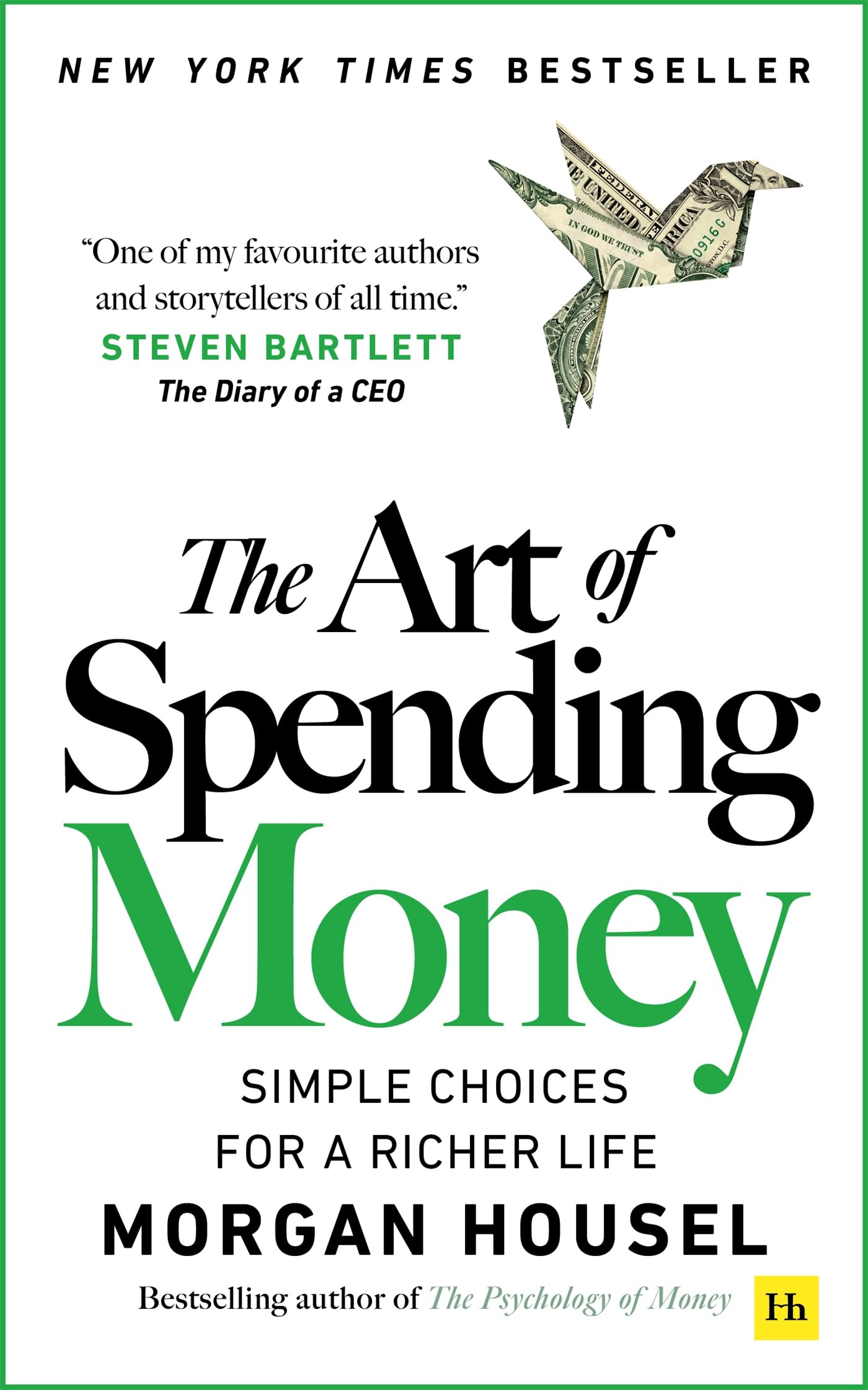
Harriman House The Art of Spending Money: Simple Choices for a Richer Life by Morgan HouselSimple lessons on harnessing the power of money to live a happier life. Can money buy happiness? Yes. Can spending it make you happier? Absolutely. Yet, many of us struggle to unlock its full potential – either by spending on things that don't bring as much joy as they should, or by avoiding investments that would truly enhance our mental well-being. In The Art of Spending Money, award-winning and global bestselling author Morgan Housel offers a refreshingly practical approach to managing wealth while finding deeper meaning and contentment. Instead of cookie-cutter financial advice, Housel provides you with psychological tools to navigate your personal relationship with money and optimise for happiness. Discover why people often mistake envy for admiration, how to align your expectations with your income, and ways to invest in future happiness while avoiding regret. Learn about the dangers of social debt and embrace the radical idea that the fastest way to build wealth is by going slow. The Art of Spending Money delves into the complexities that surround money – envy, social aspirations, identity, and insecurity – crucial aspects often missed in traditional financial books. Armed with new insights into money and wealth, you’ll learn to sidestep common spending traps, make smarter investing choices, and wield money to its fullest potential to enhance your enjoyment of life.10,99 £*Shipping: 2,99 £Secure redirect to the provider
-
What is the difference between a Real Estate Specialist and a Real Estate Business Administrator?
A Real Estate Specialist typically focuses on the buying, selling, and leasing of properties, working directly with clients to help them find their ideal property or sell their current one. On the other hand, a Real Estate Business Administrator is responsible for the administrative and operational aspects of a real estate business, such as managing finances, coordinating transactions, and overseeing office operations. While a Real Estate Specialist deals more with the client-facing aspects of the real estate industry, a Real Estate Business Administrator handles the behind-the-scenes tasks to ensure the business runs smoothly. **
-
Can the real estate agent have our house key?
Yes, it is common practice for real estate agents to have a copy of the house key in order to show the property to potential buyers. This allows for more flexibility in scheduling showings and ensures that the property is easily accessible for interested parties. However, it is important to discuss and confirm this arrangement with your real estate agent before providing them with a key. **
-
Are real estate funds a good investment?
Real estate funds can be a good investment option for individuals looking to diversify their portfolio and gain exposure to the real estate market without directly owning property. These funds typically invest in a variety of properties, providing investors with a level of diversification and potentially higher returns than owning a single property. However, like any investment, real estate funds come with risks such as market fluctuations, liquidity concerns, and management fees. It is important for investors to carefully research and consider their financial goals and risk tolerance before investing in real estate funds. **
-
Can you become a real estate agent after studying business administration?
Yes, studying business administration can provide a strong foundation for a career as a real estate agent. Business administration coursework often covers topics such as marketing, finance, and negotiation skills, which are all valuable skills for real estate agents. Additionally, understanding business principles can be beneficial when managing real estate transactions and building a client base. With additional real estate-specific training and licensing requirements, a business administration graduate can certainly transition into a successful career as a real estate agent. **
* All prices are inclusive of VAT and, if applicable, plus shipping costs. The offer information is based on the details provided by the respective shop and is updated through automated processes. Real-time updates do not occur, so deviations can occur in individual cases. ** Note: Parts of this content were created by AI.