Buy immobilienfinanzierungen.eu ?
We are moving the project
immobilienfinanzierungen.eu .
Are you interested in purchasing the domain
immobilienfinanzierungen.eu ?
domain@kv-gmbh.de · 0541-91531010
Buy immobilienfinanzierungen.eu ?
Is suspension polymerization a radical polymerization?
Yes, suspension polymerization is a type of radical polymerization. In suspension polymerization, monomers are dispersed in a liquid phase and polymerization is initiated by free radicals. These free radicals are typically generated through the use of initiators, such as peroxides, which break down to form reactive species that initiate the polymerization process. The formation of polymer chains through the addition of monomers to these radicals is a characteristic feature of radical polymerization. **
What is the difference between polymerization and radical polymerization?
Polymerization is the process of combining small molecules (monomers) to form a large molecule (polymer). Radical polymerization is a type of polymerization that involves the use of free radicals to initiate the polymerization reaction. The main difference between polymerization and radical polymerization is the mechanism of initiation. In polymerization, the reaction can be initiated by various methods such as heat, light, or a catalyst, while radical polymerization specifically involves the use of free radicals to start the reaction. Radical polymerization is often used to produce polymers with specific properties, such as high flexibility or toughness. **
Similar search terms for Polymerization
Top-Angebote
Products related to Polymerization:




-
What are branches in radical polymerization?
Branches in radical polymerization refer to side chains that extend from the main polymer chain. These side chains can result from the presence of branching agents or from chain transfer reactions during the polymerization process. Branches can affect the properties of the polymer, such as its mechanical strength, flexibility, and thermal properties. Controlling the branching in radical polymerization is important for tailoring the properties of the final polymer product. **
-
Are real estate funds a good investment?
Real estate funds can be a good investment option for individuals looking to diversify their portfolio and gain exposure to the real estate market without directly owning property. These funds typically invest in a variety of properties, providing investors with a level of diversification and potentially higher returns than owning a single property. However, like any investment, real estate funds come with risks such as market fluctuations, liquidity concerns, and management fees. It is important for investors to carefully research and consider their financial goals and risk tolerance before investing in real estate funds. **
-
How does the polymerization of polystyrene occur?
Polystyrene polymerization occurs through a process called chain-growth polymerization. This process involves the repeated addition of monomer units (styrene molecules) to a growing polymer chain. It is initiated by a catalyst or initiator, which starts the reaction by breaking a chemical bond in the monomer. This creates a reactive site that can then bond with another monomer, leading to the formation of a polymer chain. As more and more monomers are added, the polymer chain grows in length, resulting in the formation of polystyrene. **
-
What is the difference between polymerization and polycondensation?
Polymerization is a process where monomers are chemically bonded together to form a polymer without the formation of any byproducts. On the other hand, polycondensation is a specific type of polymerization where the reaction involves the elimination of small molecules, such as water or alcohol, as byproducts. This means that in polycondensation, the polymer is formed through the condensation of two different functional groups, leading to the release of a small molecule. **


How can branching occur in a radical polymerization?
Branching can occur in radical polymerization when a polymer chain reacts with a monomer to form a new chain, resulting in the formation of a branch point. This can happen when a growing polymer chain reacts with a monomer that has multiple reactive sites, leading to the formation of a branch. Additionally, termination reactions can also lead to branching when two growing polymer chains react with each other, forming a branched structure. Branching can impact the properties of the polymer, such as its mechanical and thermal properties, and can be controlled by adjusting the reaction conditions and monomer structure. **
Are real estate properties the best investment in Germany?
Real estate properties can be a good investment in Germany due to the country's stable economy, low interest rates, and high demand for rental properties. However, like any investment, there are risks involved such as market fluctuations and potential maintenance costs. It is important for investors to carefully research the market and consider their financial goals before deciding if real estate is the best investment option for them in Germany. **
Top-Angebote
Products related to Polymerization:
-
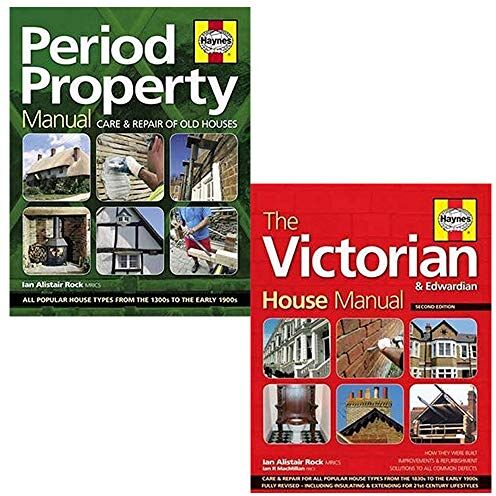
J H Haynes & Co Ltd Haynes Property Manual 2 Books Collection Set (The Victorian House, Period Property)The Victorian House Manual The Victorian House Manual (2nd Edition): How They Were Built, Improvements & Refurbishment, Solutions to All Common Defects Thinking of buying a Victorian or Edwardian house? Or maybe you already own one? Either way, this clearly written manual explains all you need to know about the care and repair of these classic properties. Today, many houses of this age are in need of extensive updating and maintenance, having suffered years of neglect. Some have been damaged by misguided home improvements or botched repairs using the wrong materials. Even newly refurbished properties can sometimes conceal dangerous structural alterations and shoddy build-quality. This unique manual provides detailed, expert advice, backed up with clear how to colour photographs, describing where to check for the critical danger signs and how to fix all common defects. Period Property Britain has a wonderfully rich stock of period houses - everything from medieval cottages to Georgian townhouses and Edwardian mansions. But many of these historic properties are now at risk. Some are unwittingly damaged by well-meaning owners or incompetent builders; others suffer long-term deterioration where mortgage lenders have imposed quick-fix 'remedies'. Despite being some of the most sustainable buildings on the planet, many old houses are now being subjected to ill-advised works to upgrade thermal efficiency, resulting in the destruction of the very qualities that make them so appealing, slashing their values. Haynes have come to the rescue with this clearly written, lavishly illustrated manual explaining the correct approach to care and repair - covering the full range of traditional materials. Every old house has a story to tell, so Haynes also show how to explore your home's history and strip back modern finishes to reveal long lost original features. This comprehensive manual is essential reading whether you want to get your hands dirty or just want to understand how old houses work and how to go about employing specialist craftsmen.19,99 £*Shipping: 2,99 £Secure redirect to the provider
-
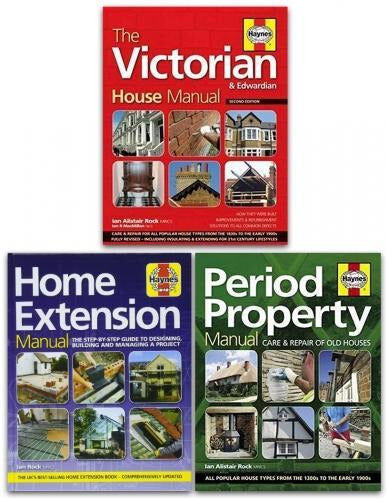
J H Haynes & Co Ltd Haynes Property Manual 3 Books Collection Set Home Extension The Victorian House Period PropertyTitles In this Set: The Victorian House Manual Home Extension Period Property The Victorian House Manual The Victorian House Manual (2nd Edition): How They Were Built, Improvements & Refurbishment, Solutions to All Common Defects Thinking of buying a Victorian or Edwardian house? Or maybe you already own one? Either way, this clearly written manual explains all you need to know about the care and repair of these classic properties. Today, many houses of this age are in need of extensive updating and maintenance, having suffered years of neglect. Some have been damaged by misguided home improvements or botched repairs using the wrong materials. Even newly refurbished properties can sometimes conceal dangerous structural alterations and shoddy build-quality. This unique manual provides detailed, expert advice, backed up with clear how to colour photographs, describing where to check for the critical danger signs and how to fix all common defects. Home ExtensionMany people are looking at ways to extend their homes rather than move house, but `getting the builders in' can be a recipe for disaster unless you really know what you are doing. Whether you plan to employ a building contractor or tackle some of the works yourself, this best-selling manual will show you how to stay firmly in control, resulting in a high-quality extension, completed on time and within budget. This new edition will include all the up-do-date information on complying with the latest Building Regs and Planning requirements, CAD design, energy-efficiency, under floor heating, bi-folds, liquid screeds, woodburning stoves and renewable energy. Period Property Britain has a wonderfully rich stock of period houses - everything from medieval cottages to Georgian townhouses and Edwardian mansions. But many of these historic properties are now at risk. Some are unwittingly damaged by well-meaning owners or incompetent builders; others suffer long-term deterioration where mortgage lenders have imposed quick-fix 'remedies'. Despite being some of the most sustainable buildings on the planet, many old houses are now being subjected to ill-advised works to upgrade thermal efficiency, resulting in the destruction of the very qualities that make them so appealing, slashing their values. Haynes have come to the rescue with this clearly written, lavishly illustrated manual explaining the correct approach to care and repair - covering the full range of traditional materials. Every old house has a story to tell, so Haynes also show how to explore your home's history and strip back modern finishes to reveal long lost original features. This comprehensive manual is essential reading whether you want to get your hands dirty or just want to understand how old houses work and how to go about employing specialist craftsmen.24,99 £*Shipping: 2,99 £Secure redirect to the provider
-
Is suspension polymerization a radical polymerization?
Yes, suspension polymerization is a type of radical polymerization. In suspension polymerization, monomers are dispersed in a liquid phase and polymerization is initiated by free radicals. These free radicals are typically generated through the use of initiators, such as peroxides, which break down to form reactive species that initiate the polymerization process. The formation of polymer chains through the addition of monomers to these radicals is a characteristic feature of radical polymerization. **
-
What is the difference between polymerization and radical polymerization?
Polymerization is the process of combining small molecules (monomers) to form a large molecule (polymer). Radical polymerization is a type of polymerization that involves the use of free radicals to initiate the polymerization reaction. The main difference between polymerization and radical polymerization is the mechanism of initiation. In polymerization, the reaction can be initiated by various methods such as heat, light, or a catalyst, while radical polymerization specifically involves the use of free radicals to start the reaction. Radical polymerization is often used to produce polymers with specific properties, such as high flexibility or toughness. **
-
What are branches in radical polymerization?
Branches in radical polymerization refer to side chains that extend from the main polymer chain. These side chains can result from the presence of branching agents or from chain transfer reactions during the polymerization process. Branches can affect the properties of the polymer, such as its mechanical strength, flexibility, and thermal properties. Controlling the branching in radical polymerization is important for tailoring the properties of the final polymer product. **
-
Are real estate funds a good investment?
Real estate funds can be a good investment option for individuals looking to diversify their portfolio and gain exposure to the real estate market without directly owning property. These funds typically invest in a variety of properties, providing investors with a level of diversification and potentially higher returns than owning a single property. However, like any investment, real estate funds come with risks such as market fluctuations, liquidity concerns, and management fees. It is important for investors to carefully research and consider their financial goals and risk tolerance before investing in real estate funds. **
Similar search terms for Polymerization
-
How does the polymerization of polystyrene occur?
Polystyrene polymerization occurs through a process called chain-growth polymerization. This process involves the repeated addition of monomer units (styrene molecules) to a growing polymer chain. It is initiated by a catalyst or initiator, which starts the reaction by breaking a chemical bond in the monomer. This creates a reactive site that can then bond with another monomer, leading to the formation of a polymer chain. As more and more monomers are added, the polymer chain grows in length, resulting in the formation of polystyrene. **
-
What is the difference between polymerization and polycondensation?
Polymerization is a process where monomers are chemically bonded together to form a polymer without the formation of any byproducts. On the other hand, polycondensation is a specific type of polymerization where the reaction involves the elimination of small molecules, such as water or alcohol, as byproducts. This means that in polycondensation, the polymer is formed through the condensation of two different functional groups, leading to the release of a small molecule. **
-
How can branching occur in a radical polymerization?
Branching can occur in radical polymerization when a polymer chain reacts with a monomer to form a new chain, resulting in the formation of a branch point. This can happen when a growing polymer chain reacts with a monomer that has multiple reactive sites, leading to the formation of a branch. Additionally, termination reactions can also lead to branching when two growing polymer chains react with each other, forming a branched structure. Branching can impact the properties of the polymer, such as its mechanical and thermal properties, and can be controlled by adjusting the reaction conditions and monomer structure. **
-
Are real estate properties the best investment in Germany?
Real estate properties can be a good investment in Germany due to the country's stable economy, low interest rates, and high demand for rental properties. However, like any investment, there are risks involved such as market fluctuations and potential maintenance costs. It is important for investors to carefully research the market and consider their financial goals before deciding if real estate is the best investment option for them in Germany. **
* All prices are inclusive of VAT and, if applicable, plus shipping costs. The offer information is based on the details provided by the respective shop and is updated through automated processes. Real-time updates do not occur, so deviations can occur in individual cases. ** Note: Parts of this content were created by AI.