Buy immobilienfinanzierungen.eu ?
We are moving the project
immobilienfinanzierungen.eu .
Are you interested in purchasing the domain
immobilienfinanzierungen.eu ?
domain@kv-gmbh.de · 0541-91531010
Buy immobilienfinanzierungen.eu ?
How is Ghusl performed after impurity?
Ghusl is performed after impurity by first making the intention to purify oneself. Then, one should wash their private parts to remove any impurities. Next, the entire body should be washed, starting with the right side and then the left side, ensuring that water reaches every part of the body. It is important to perform Ghusl in a state of purity and with the intention of seeking purification. **
What does impurity mean in Islam?
In Islam, impurity refers to anything that is considered ritually unclean or dirty. This can include physical impurities such as blood, urine, feces, and certain types of food and drink. It also encompasses spiritual impurities such as sinful actions and intentions. In Islamic teachings, maintaining purity is important for performing acts of worship and maintaining a state of spiritual cleanliness. Muslims are required to cleanse themselves from impurities before performing prayers and other religious rituals. **
Similar search terms for Impurity
Top-Angebote
Products related to Impurity:




-
Are real estate funds a good investment?
Real estate funds can be a good investment option for individuals looking to diversify their portfolio and gain exposure to the real estate market without directly owning property. These funds typically invest in a variety of properties, providing investors with a level of diversification and potentially higher returns than owning a single property. However, like any investment, real estate funds come with risks such as market fluctuations, liquidity concerns, and management fees. It is important for investors to carefully research and consider their financial goals and risk tolerance before investing in real estate funds. **
-
How can one perform Ghusl without major impurity?
To perform Ghusl without major impurity, one must ensure that there is no physical impurity on their body before beginning the ritual. This can be achieved by washing away any impurities such as urine, feces, or blood from the body. Additionally, one should make the intention to perform Ghusl for purification purposes and then follow the proper steps of Ghusl, which include washing the entire body with water, starting with the right side and then the left. It is important to ensure that water reaches all parts of the body, including the hair and skin. **
-
Is the anti-impurity scrub for dogs toxic?
No, the anti-impurity scrub for dogs is not toxic. It is specifically formulated for dogs and is safe for use on their skin and coat. However, it is important to follow the instructions provided by the manufacturer and avoid ingesting the product. **
-
During the prayer in Islam, must one also be clean, or can it be performed in impurity 1 or impurity 2?
In Islam, it is important to be in a state of cleanliness before performing prayers. This includes performing ablution (wudu) which involves washing specific parts of the body. It is not permissible to pray while in a state of impurity, such as after using the restroom without cleaning oneself. Therefore, one must be clean before performing prayers in Islam. **


During the prayer in Islam, should one be clean or can it also be performed in impurity 1 or impurity 2?
In Islam, it is important to be clean and in a state of purity before performing prayers. This includes performing ablution (wudu) to cleanse oneself before prayer. If one is in a state of impurity 1 (minor impurity such as passing gas) or impurity 2 (major impurity such as janabah), they are required to perform the necessary purification rituals before engaging in prayer. Being in a state of cleanliness and purity is considered essential for the spiritual connection and reverence during prayer in Islam. **
During the supplication in Islam, should one also be clean or can it be performed in impurity 1 or impurity 2?
During supplication in Islam, it is recommended to be in a state of cleanliness, known as wudu (ablution), before performing the supplication. However, if one is in a state of minor impurity (such as not having wudu), they can still perform supplication. It is important to note that supplication is a form of communication with Allah, and while being in a state of cleanliness is preferred, it should not prevent one from making supplication when needed. **
Top-Angebote
Products related to Impurity:
-
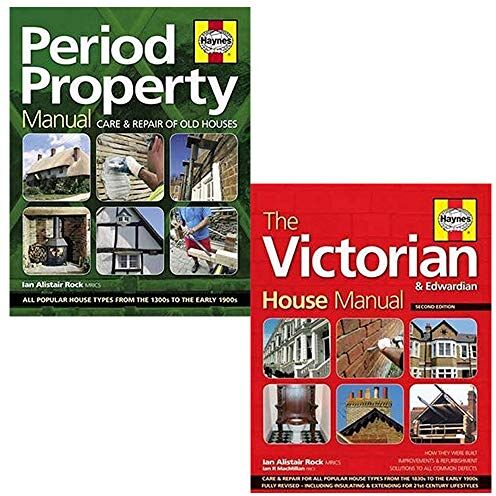
J H Haynes & Co Ltd Haynes Property Manual 2 Books Collection Set (The Victorian House, Period Property)The Victorian House Manual The Victorian House Manual (2nd Edition): How They Were Built, Improvements & Refurbishment, Solutions to All Common Defects Thinking of buying a Victorian or Edwardian house? Or maybe you already own one? Either way, this clearly written manual explains all you need to know about the care and repair of these classic properties. Today, many houses of this age are in need of extensive updating and maintenance, having suffered years of neglect. Some have been damaged by misguided home improvements or botched repairs using the wrong materials. Even newly refurbished properties can sometimes conceal dangerous structural alterations and shoddy build-quality. This unique manual provides detailed, expert advice, backed up with clear how to colour photographs, describing where to check for the critical danger signs and how to fix all common defects. Period Property Britain has a wonderfully rich stock of period houses - everything from medieval cottages to Georgian townhouses and Edwardian mansions. But many of these historic properties are now at risk. Some are unwittingly damaged by well-meaning owners or incompetent builders; others suffer long-term deterioration where mortgage lenders have imposed quick-fix 'remedies'. Despite being some of the most sustainable buildings on the planet, many old houses are now being subjected to ill-advised works to upgrade thermal efficiency, resulting in the destruction of the very qualities that make them so appealing, slashing their values. Haynes have come to the rescue with this clearly written, lavishly illustrated manual explaining the correct approach to care and repair - covering the full range of traditional materials. Every old house has a story to tell, so Haynes also show how to explore your home's history and strip back modern finishes to reveal long lost original features. This comprehensive manual is essential reading whether you want to get your hands dirty or just want to understand how old houses work and how to go about employing specialist craftsmen.19,99 £*Shipping: 2,99 £Secure redirect to the provider
-
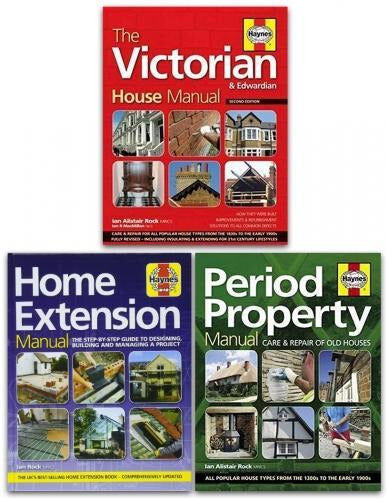
J H Haynes & Co Ltd Haynes Property Manual 3 Books Collection Set Home Extension The Victorian House Period PropertyTitles In this Set: The Victorian House Manual Home Extension Period Property The Victorian House Manual The Victorian House Manual (2nd Edition): How They Were Built, Improvements & Refurbishment, Solutions to All Common Defects Thinking of buying a Victorian or Edwardian house? Or maybe you already own one? Either way, this clearly written manual explains all you need to know about the care and repair of these classic properties. Today, many houses of this age are in need of extensive updating and maintenance, having suffered years of neglect. Some have been damaged by misguided home improvements or botched repairs using the wrong materials. Even newly refurbished properties can sometimes conceal dangerous structural alterations and shoddy build-quality. This unique manual provides detailed, expert advice, backed up with clear how to colour photographs, describing where to check for the critical danger signs and how to fix all common defects. Home ExtensionMany people are looking at ways to extend their homes rather than move house, but `getting the builders in' can be a recipe for disaster unless you really know what you are doing. Whether you plan to employ a building contractor or tackle some of the works yourself, this best-selling manual will show you how to stay firmly in control, resulting in a high-quality extension, completed on time and within budget. This new edition will include all the up-do-date information on complying with the latest Building Regs and Planning requirements, CAD design, energy-efficiency, under floor heating, bi-folds, liquid screeds, woodburning stoves and renewable energy. Period Property Britain has a wonderfully rich stock of period houses - everything from medieval cottages to Georgian townhouses and Edwardian mansions. But many of these historic properties are now at risk. Some are unwittingly damaged by well-meaning owners or incompetent builders; others suffer long-term deterioration where mortgage lenders have imposed quick-fix 'remedies'. Despite being some of the most sustainable buildings on the planet, many old houses are now being subjected to ill-advised works to upgrade thermal efficiency, resulting in the destruction of the very qualities that make them so appealing, slashing their values. Haynes have come to the rescue with this clearly written, lavishly illustrated manual explaining the correct approach to care and repair - covering the full range of traditional materials. Every old house has a story to tell, so Haynes also show how to explore your home's history and strip back modern finishes to reveal long lost original features. This comprehensive manual is essential reading whether you want to get your hands dirty or just want to understand how old houses work and how to go about employing specialist craftsmen.24,99 £*Shipping: 2,99 £Secure redirect to the provider
-
How is Ghusl performed after impurity?
Ghusl is performed after impurity by first making the intention to purify oneself. Then, one should wash their private parts to remove any impurities. Next, the entire body should be washed, starting with the right side and then the left side, ensuring that water reaches every part of the body. It is important to perform Ghusl in a state of purity and with the intention of seeking purification. **
-
What does impurity mean in Islam?
In Islam, impurity refers to anything that is considered ritually unclean or dirty. This can include physical impurities such as blood, urine, feces, and certain types of food and drink. It also encompasses spiritual impurities such as sinful actions and intentions. In Islamic teachings, maintaining purity is important for performing acts of worship and maintaining a state of spiritual cleanliness. Muslims are required to cleanse themselves from impurities before performing prayers and other religious rituals. **
-
Are real estate funds a good investment?
Real estate funds can be a good investment option for individuals looking to diversify their portfolio and gain exposure to the real estate market without directly owning property. These funds typically invest in a variety of properties, providing investors with a level of diversification and potentially higher returns than owning a single property. However, like any investment, real estate funds come with risks such as market fluctuations, liquidity concerns, and management fees. It is important for investors to carefully research and consider their financial goals and risk tolerance before investing in real estate funds. **
-
How can one perform Ghusl without major impurity?
To perform Ghusl without major impurity, one must ensure that there is no physical impurity on their body before beginning the ritual. This can be achieved by washing away any impurities such as urine, feces, or blood from the body. Additionally, one should make the intention to perform Ghusl for purification purposes and then follow the proper steps of Ghusl, which include washing the entire body with water, starting with the right side and then the left. It is important to ensure that water reaches all parts of the body, including the hair and skin. **
Similar search terms for Impurity
-
Is the anti-impurity scrub for dogs toxic?
No, the anti-impurity scrub for dogs is not toxic. It is specifically formulated for dogs and is safe for use on their skin and coat. However, it is important to follow the instructions provided by the manufacturer and avoid ingesting the product. **
-
During the prayer in Islam, must one also be clean, or can it be performed in impurity 1 or impurity 2?
In Islam, it is important to be in a state of cleanliness before performing prayers. This includes performing ablution (wudu) which involves washing specific parts of the body. It is not permissible to pray while in a state of impurity, such as after using the restroom without cleaning oneself. Therefore, one must be clean before performing prayers in Islam. **
-
During the prayer in Islam, should one be clean or can it also be performed in impurity 1 or impurity 2?
In Islam, it is important to be clean and in a state of purity before performing prayers. This includes performing ablution (wudu) to cleanse oneself before prayer. If one is in a state of impurity 1 (minor impurity such as passing gas) or impurity 2 (major impurity such as janabah), they are required to perform the necessary purification rituals before engaging in prayer. Being in a state of cleanliness and purity is considered essential for the spiritual connection and reverence during prayer in Islam. **
-
During the supplication in Islam, should one also be clean or can it be performed in impurity 1 or impurity 2?
During supplication in Islam, it is recommended to be in a state of cleanliness, known as wudu (ablution), before performing the supplication. However, if one is in a state of minor impurity (such as not having wudu), they can still perform supplication. It is important to note that supplication is a form of communication with Allah, and while being in a state of cleanliness is preferred, it should not prevent one from making supplication when needed. **
* All prices are inclusive of VAT and, if applicable, plus shipping costs. The offer information is based on the details provided by the respective shop and is updated through automated processes. Real-time updates do not occur, so deviations can occur in individual cases. ** Note: Parts of this content were created by AI.