Buy immobilienfinanzierungen.eu ?
We are moving the project
immobilienfinanzierungen.eu .
Are you interested in purchasing the domain
immobilienfinanzierungen.eu ?
domain@kv-gmbh.de · 0541-91531010
Buy immobilienfinanzierungen.eu ?
What are biological catalysts?
Biological catalysts, also known as enzymes, are proteins that speed up chemical reactions in living organisms. They do this by lowering the activation energy required for a reaction to occur, allowing it to happen more quickly. Enzymes are highly specific, meaning each one is designed to catalyze a specific reaction. They play a crucial role in metabolism, digestion, and many other biological processes. **
Can catalysts be sold?
Yes, catalysts can be sold. Catalysts are valuable materials used in various industries such as chemical manufacturing, petroleum refining, and environmental protection. Companies that produce catalysts often sell them to other businesses that require these materials to facilitate chemical reactions or processes. The sale of catalysts is a common practice in the commercial market. **
Similar search terms for Catalysts
Top-Angebote
Products related to Catalysts:




-
How do catalysts work?
Catalysts work by providing an alternative pathway for a chemical reaction to occur, which lowers the activation energy required for the reaction to proceed. This allows the reaction to occur more readily and at a faster rate. Catalysts themselves are not consumed in the reaction and can be used repeatedly, making them highly efficient in promoting chemical reactions. They can also increase the selectivity of a reaction, favoring the formation of a specific product. **
-
Are catalysts highly reactive substances?
Catalysts are not highly reactive substances themselves. Instead, they work by providing an alternative pathway for chemical reactions to occur more easily and quickly, without being consumed in the process. This means that catalysts can increase the rate of a reaction without being permanently altered or used up, making them valuable tools in various industrial processes. **
-
Are catalysts very reactive substances?
Catalysts are not typically very reactive substances themselves. Instead, they work by providing an alternative pathway for a chemical reaction to occur more easily and quickly, without being consumed in the process. This means that catalysts can facilitate reactions without undergoing significant changes themselves, making them efficient and effective in promoting chemical reactions. **
-
Can you give examples of catalysts?
Sure! Some common examples of catalysts include enzymes in biological systems, such as the digestive enzymes in our stomach that help break down food. In industrial processes, catalysts like platinum and palladium are used in catalytic converters to convert harmful gases into less harmful substances in car exhaust. Additionally, in the production of chemicals, catalysts like nickel and iron are used to speed up reactions and increase efficiency. **


What are the properties of catalysts?
Catalysts are substances that can speed up a chemical reaction without being consumed in the process. They work by providing an alternative pathway for the reaction to occur, lowering the activation energy required for the reaction to take place. Catalysts can be specific to certain reactions and are often highly selective, meaning they only catalyze specific reactions. Additionally, catalysts can be used in small amounts and can be reused multiple times, making them cost-effective and environmentally friendly. **
What are enzymes and catalysts in chemistry?
Enzymes are biological molecules that act as catalysts in biochemical reactions. They speed up the rate of chemical reactions by lowering the activation energy required for the reaction to occur. Catalysts, on the other hand, are substances that increase the rate of a chemical reaction without being consumed in the process. Both enzymes and catalysts work by providing an alternative pathway for the reaction to take place, making the reaction occur more quickly and efficiently. **
Top-Angebote
Products related to Catalysts:
-
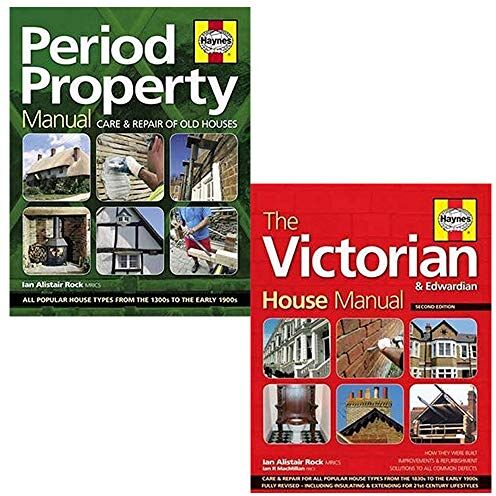
J H Haynes & Co Ltd Haynes Property Manual 2 Books Collection Set (The Victorian House, Period Property)The Victorian House Manual The Victorian House Manual (2nd Edition): How They Were Built, Improvements & Refurbishment, Solutions to All Common Defects Thinking of buying a Victorian or Edwardian house? Or maybe you already own one? Either way, this clearly written manual explains all you need to know about the care and repair of these classic properties. Today, many houses of this age are in need of extensive updating and maintenance, having suffered years of neglect. Some have been damaged by misguided home improvements or botched repairs using the wrong materials. Even newly refurbished properties can sometimes conceal dangerous structural alterations and shoddy build-quality. This unique manual provides detailed, expert advice, backed up with clear how to colour photographs, describing where to check for the critical danger signs and how to fix all common defects. Period Property Britain has a wonderfully rich stock of period houses - everything from medieval cottages to Georgian townhouses and Edwardian mansions. But many of these historic properties are now at risk. Some are unwittingly damaged by well-meaning owners or incompetent builders; others suffer long-term deterioration where mortgage lenders have imposed quick-fix 'remedies'. Despite being some of the most sustainable buildings on the planet, many old houses are now being subjected to ill-advised works to upgrade thermal efficiency, resulting in the destruction of the very qualities that make them so appealing, slashing their values. Haynes have come to the rescue with this clearly written, lavishly illustrated manual explaining the correct approach to care and repair - covering the full range of traditional materials. Every old house has a story to tell, so Haynes also show how to explore your home's history and strip back modern finishes to reveal long lost original features. This comprehensive manual is essential reading whether you want to get your hands dirty or just want to understand how old houses work and how to go about employing specialist craftsmen.19,99 £*Shipping: 2,99 £Secure redirect to the provider
-
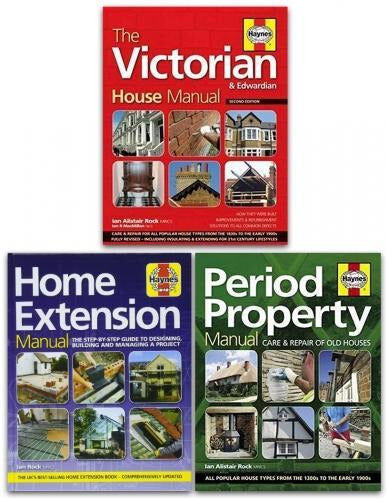
J H Haynes & Co Ltd Haynes Property Manual 3 Books Collection Set Home Extension The Victorian House Period PropertyTitles In this Set: The Victorian House Manual Home Extension Period Property The Victorian House Manual The Victorian House Manual (2nd Edition): How They Were Built, Improvements & Refurbishment, Solutions to All Common Defects Thinking of buying a Victorian or Edwardian house? Or maybe you already own one? Either way, this clearly written manual explains all you need to know about the care and repair of these classic properties. Today, many houses of this age are in need of extensive updating and maintenance, having suffered years of neglect. Some have been damaged by misguided home improvements or botched repairs using the wrong materials. Even newly refurbished properties can sometimes conceal dangerous structural alterations and shoddy build-quality. This unique manual provides detailed, expert advice, backed up with clear how to colour photographs, describing where to check for the critical danger signs and how to fix all common defects. Home ExtensionMany people are looking at ways to extend their homes rather than move house, but `getting the builders in' can be a recipe for disaster unless you really know what you are doing. Whether you plan to employ a building contractor or tackle some of the works yourself, this best-selling manual will show you how to stay firmly in control, resulting in a high-quality extension, completed on time and within budget. This new edition will include all the up-do-date information on complying with the latest Building Regs and Planning requirements, CAD design, energy-efficiency, under floor heating, bi-folds, liquid screeds, woodburning stoves and renewable energy. Period Property Britain has a wonderfully rich stock of period houses - everything from medieval cottages to Georgian townhouses and Edwardian mansions. But many of these historic properties are now at risk. Some are unwittingly damaged by well-meaning owners or incompetent builders; others suffer long-term deterioration where mortgage lenders have imposed quick-fix 'remedies'. Despite being some of the most sustainable buildings on the planet, many old houses are now being subjected to ill-advised works to upgrade thermal efficiency, resulting in the destruction of the very qualities that make them so appealing, slashing their values. Haynes have come to the rescue with this clearly written, lavishly illustrated manual explaining the correct approach to care and repair - covering the full range of traditional materials. Every old house has a story to tell, so Haynes also show how to explore your home's history and strip back modern finishes to reveal long lost original features. This comprehensive manual is essential reading whether you want to get your hands dirty or just want to understand how old houses work and how to go about employing specialist craftsmen.24,99 £*Shipping: 2,99 £Secure redirect to the provider
-
What are biological catalysts?
Biological catalysts, also known as enzymes, are proteins that speed up chemical reactions in living organisms. They do this by lowering the activation energy required for a reaction to occur, allowing it to happen more quickly. Enzymes are highly specific, meaning each one is designed to catalyze a specific reaction. They play a crucial role in metabolism, digestion, and many other biological processes. **
-
Can catalysts be sold?
Yes, catalysts can be sold. Catalysts are valuable materials used in various industries such as chemical manufacturing, petroleum refining, and environmental protection. Companies that produce catalysts often sell them to other businesses that require these materials to facilitate chemical reactions or processes. The sale of catalysts is a common practice in the commercial market. **
-
How do catalysts work?
Catalysts work by providing an alternative pathway for a chemical reaction to occur, which lowers the activation energy required for the reaction to proceed. This allows the reaction to occur more readily and at a faster rate. Catalysts themselves are not consumed in the reaction and can be used repeatedly, making them highly efficient in promoting chemical reactions. They can also increase the selectivity of a reaction, favoring the formation of a specific product. **
-
Are catalysts highly reactive substances?
Catalysts are not highly reactive substances themselves. Instead, they work by providing an alternative pathway for chemical reactions to occur more easily and quickly, without being consumed in the process. This means that catalysts can increase the rate of a reaction without being permanently altered or used up, making them valuable tools in various industrial processes. **
Similar search terms for Catalysts
-
Are catalysts very reactive substances?
Catalysts are not typically very reactive substances themselves. Instead, they work by providing an alternative pathway for a chemical reaction to occur more easily and quickly, without being consumed in the process. This means that catalysts can facilitate reactions without undergoing significant changes themselves, making them efficient and effective in promoting chemical reactions. **
-
Can you give examples of catalysts?
Sure! Some common examples of catalysts include enzymes in biological systems, such as the digestive enzymes in our stomach that help break down food. In industrial processes, catalysts like platinum and palladium are used in catalytic converters to convert harmful gases into less harmful substances in car exhaust. Additionally, in the production of chemicals, catalysts like nickel and iron are used to speed up reactions and increase efficiency. **
-
What are the properties of catalysts?
Catalysts are substances that can speed up a chemical reaction without being consumed in the process. They work by providing an alternative pathway for the reaction to occur, lowering the activation energy required for the reaction to take place. Catalysts can be specific to certain reactions and are often highly selective, meaning they only catalyze specific reactions. Additionally, catalysts can be used in small amounts and can be reused multiple times, making them cost-effective and environmentally friendly. **
-
What are enzymes and catalysts in chemistry?
Enzymes are biological molecules that act as catalysts in biochemical reactions. They speed up the rate of chemical reactions by lowering the activation energy required for the reaction to occur. Catalysts, on the other hand, are substances that increase the rate of a chemical reaction without being consumed in the process. Both enzymes and catalysts work by providing an alternative pathway for the reaction to take place, making the reaction occur more quickly and efficiently. **
* All prices are inclusive of VAT and, if applicable, plus shipping costs. The offer information is based on the details provided by the respective shop and is updated through automated processes. Real-time updates do not occur, so deviations can occur in individual cases. ** Note: Parts of this content were created by AI.